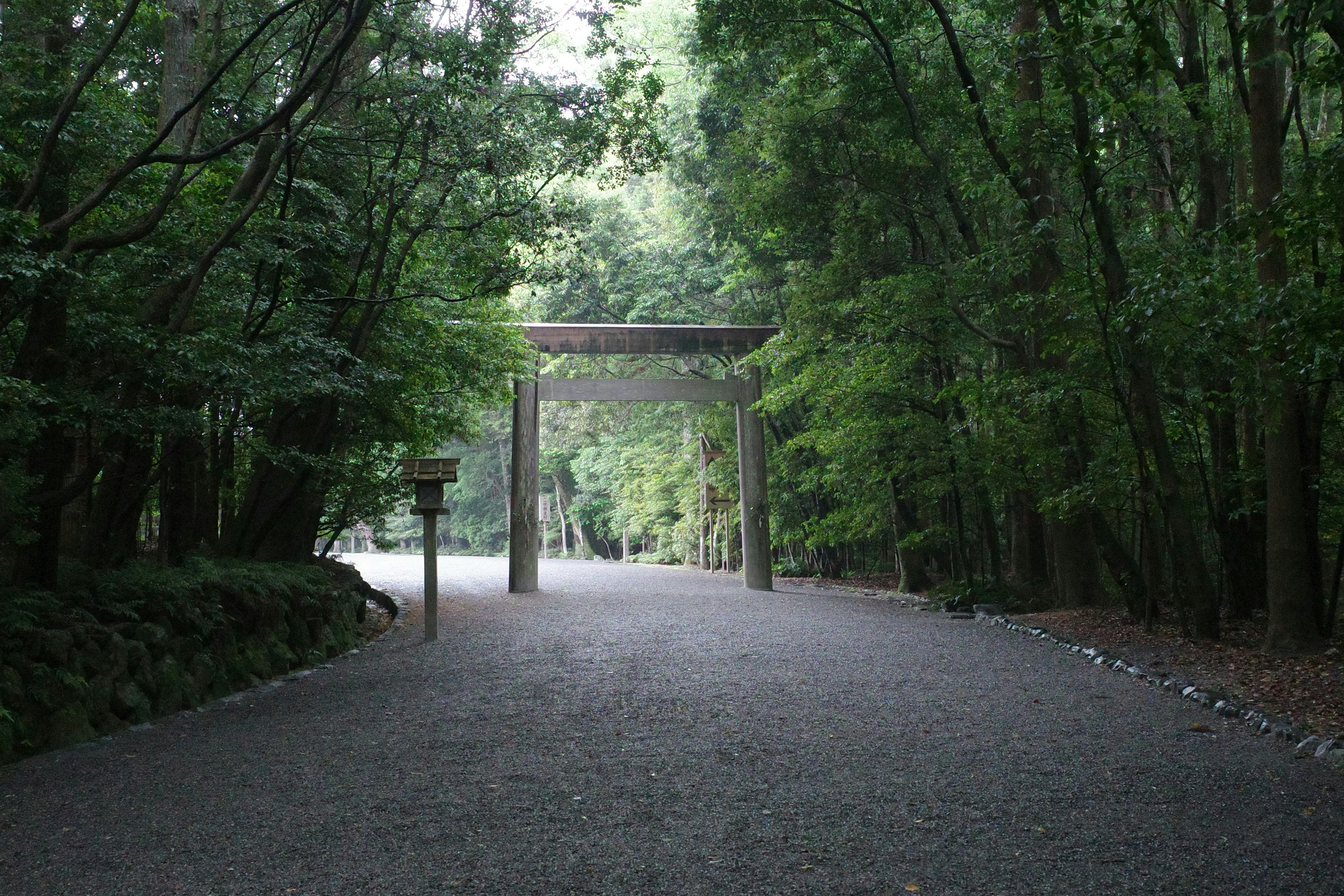
Japan's most sacred Shinto sanctuary, Ise Jingu is not a single shrine but a complex of over 125 shrines spread across ancient forests in Mie Prefecture. At its heart are the Naiku (Inner Shrine), dedicated to Amaterasu — the sun goddess and ancestor of the Imperial family — and the Geku (Outer Shrine), dedicated to Toyouke, deity of food and industry. The main sanctuaries are rebuilt entirely from scratch every 20 years in a ritual called Shikinen Sengu, a tradition unbroken for over 1,300 years. Visiting Ise is considered the spiritual pilgrimage of a lifetime in Japan — "once in a lifetime, go to Ise" is a saying that still rings true today. After your visit, explore the historic Okage Yokocho — a traditional townscape of shops and restaurants just steps from Naiku.

Thousands of brilliant vermillion torii gates wind in unbroken tunnels up the forested slopes of Mount Inari, donated by worshippers over centuries as offerings to Inari, the deity of rice, prosperity, and industry. The mountain trail rises through four shrine precincts to the 233-metre summit, passing stone fox messengers and moss-covered minor shrines at every turn. Open 24 hours a day, the mountain wears a different face at every hour — ethereal at dawn, mysterious at midnight, and utterly magical when the lanterns glow at dusk.
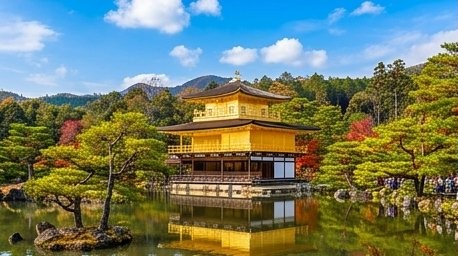
Every surface of this three-storey pavilion is covered in gold leaf, shimmering above a perfectly still mirror pond in one of the most iconic images in all of Japan. Originally built in 1397 as the retirement villa of shogun Ashikaga Yoshimitsu, Kinkaku-ji was converted to a Zen Buddhist temple following his death and has stood as a symbol of Japan's aesthetic ideal ever since. The upper two floors represent distinct architectural styles — warrior aristocracy and pure Zen — while the gilded phoenix perched atop the roof gazes serenely over the garden below.
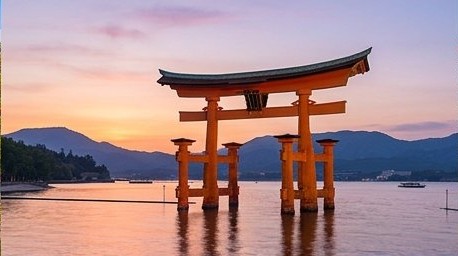
The great vermillion torii of Itsukushima appears to float in the sea at high tide, an image so sublime it has defined Japanese beauty for over a millennium. Set on the sacred island of Miyajima, the shrine was built over the water to preserve the island's divine purity — the ground itself being too holy to walk upon in ancient times. Designated a UNESCO World Heritage Site, the shrine complex glows with lanterns at dusk as deer wander the cedar-scented paths leading to its celebrated stage.
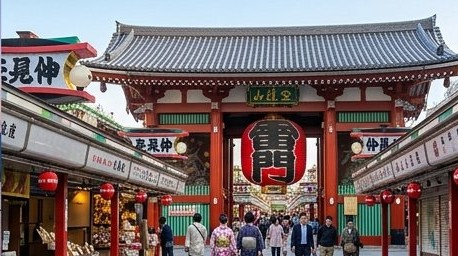
Tokyo's oldest temple, founded in 628 CE when fishermen pulled a golden image of the goddess Kannon from the Sumida River, has pulsed at the heart of Edo culture for nearly 1,400 years. The thunderous Kaminarimon (Thunder Gate) with its giant red lantern is perhaps Tokyo's most photographed sight, opening onto the vibrant Nakamise shopping street lined with traditional sweets and crafts. Beyond the bustle, the main hall fills with incense smoke and quiet prayer, a timeless sanctuary amid one of the world's great cities.
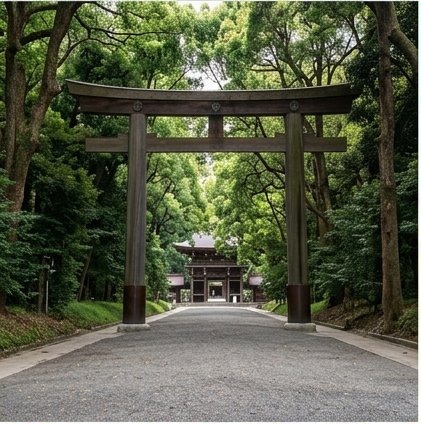
A vast and serene forest sanctuary dedicated to Emperor Meiji and Empress Shoken, Meiji Jingu stands as a living monument to Japan's transition into the modern era while honouring its deepest spiritual traditions. The long gravel approach winds through 70 hectares of urban woodland — 120,000 trees donated from across Japan at the shrine's founding in 1920 — creating an astonishing stillness just minutes from Shibuya's neon chaos. On New Year's Day, it receives over three million visitors, making it Japan's most attended shrine for hatsumode.
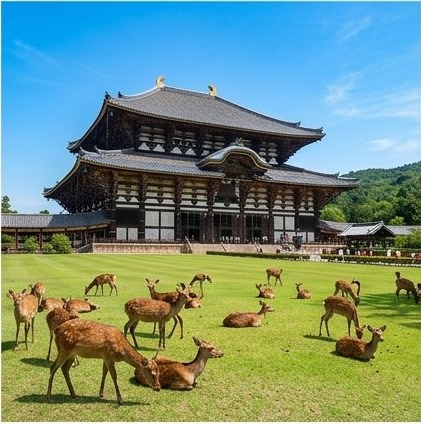
The Great Buddha Hall of Todai-ji is the largest wooden building on earth, housing Daibutsu — a 15-metre bronze Buddha cast in 752 CE — whose serene face has gazed upon the ancient capital of Nara for over twelve centuries. Founded by Emperor Shomu as the head temple of all provincial temples in Japan, the complex sprawls across a vast park where hundreds of wild deer roam freely as living messengers of the gods. Passing through the colossal Nandaimon Gate flanked by fearsome guardian statues, visitors enter a space that has awed pilgrims and travellers for generations.
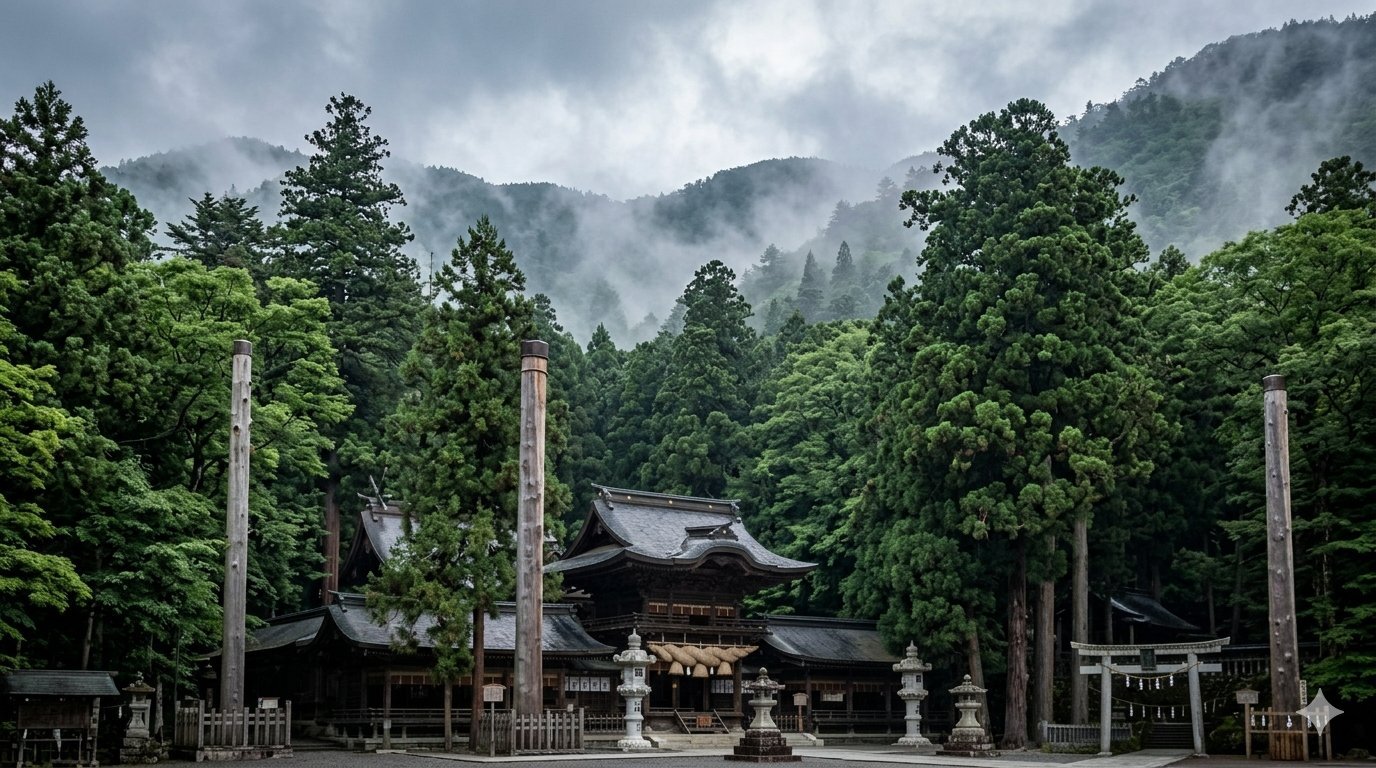
Said to be Japan's oldest shrine, Suwa Taisha is unlike any other — it has no main object of worship inside its sanctuaries, for the sacred mountain itself is the deity. Spread across four distinct precincts around the shores of Lake Suwa in the Japanese Alps, the shrine is dedicated to Takeminakata-no-kami, god of wind, water, and agriculture. Every six years, the dramatic Onbashira festival sees enormous fir logs hauled down steep mountainsides by thousands of men in a breathtaking display of devotion and communal spirit.
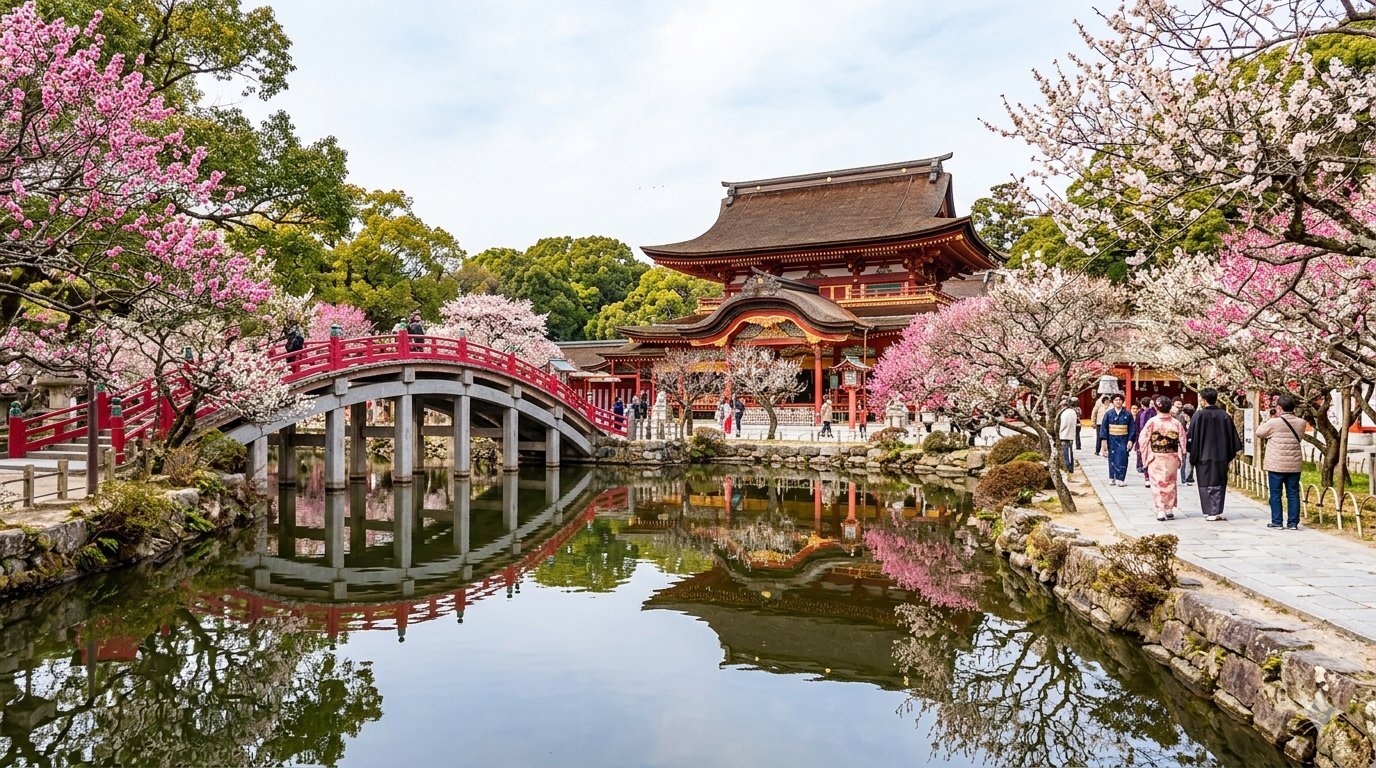
Built over the grave of the scholar-poet Sugawara no Michizane, who was deified as Tenjin — patron of learning and the arts — after his unjust exile to Kyushu in 901 CE, Dazaifu Tenmangu has been a place of earnest prayer for students for over a thousand years. The approach to the shrine crosses three arched bridges representing past, present, and future, before arriving at the stunning main hall surrounded by more than 6,000 plum trees that bloom brilliantly each February. Students across Japan send ema prayer tablets here in hope of academic success.
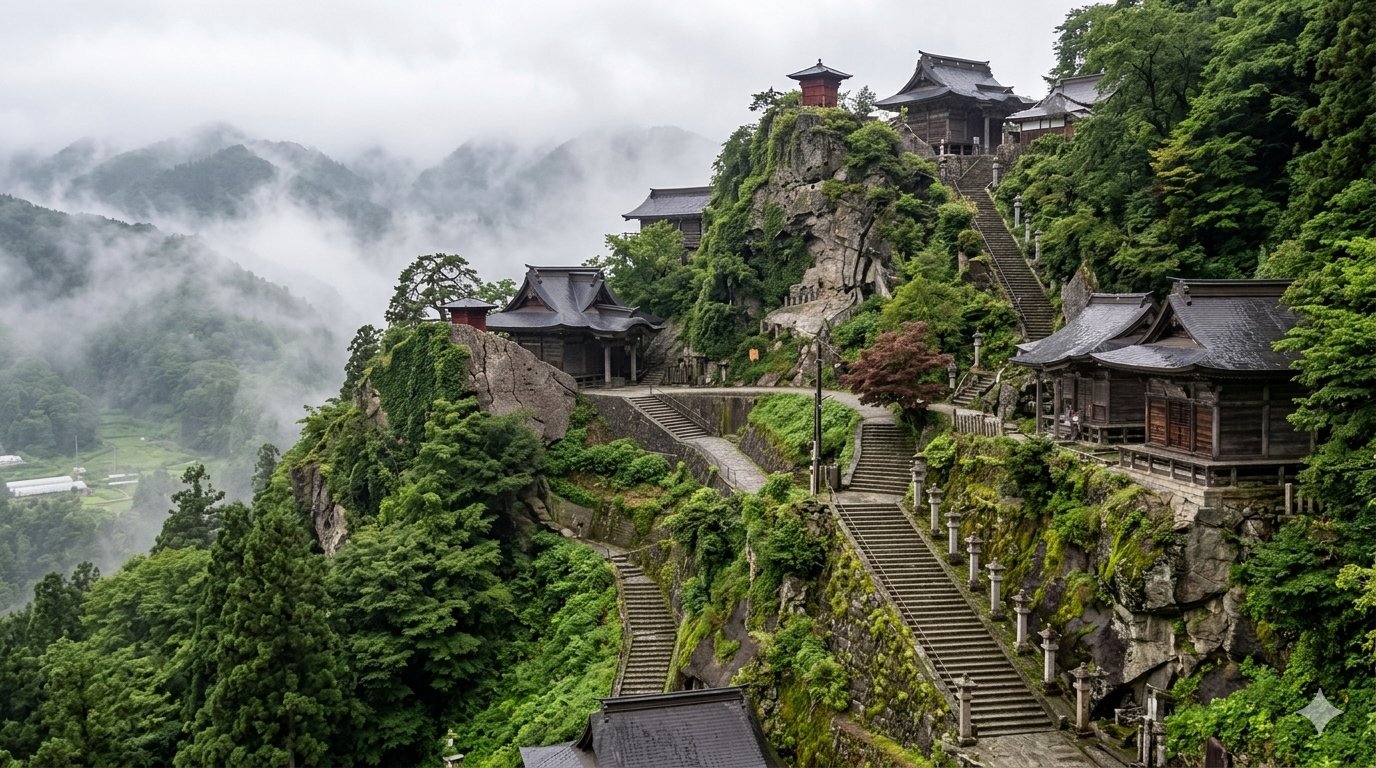
Founded in 860 CE by the monk Ennin, Risshaku-ji clings to dramatic granite cliffs high above the Yamadera valley in Yamagata, reached by climbing 1,015 stone steps worn smooth by a millennium of pilgrims' feet. The path winds through ancient cedar and moss-draped rock faces before arriving at cliff-hanging halls that command breathtaking views over the forested valley below. It was here in 1689 that haiku master Matsuo Bashō, moved by the profound silence broken only by the cry of a single cicada, composed one of the most celebrated verses in all Japanese literature.
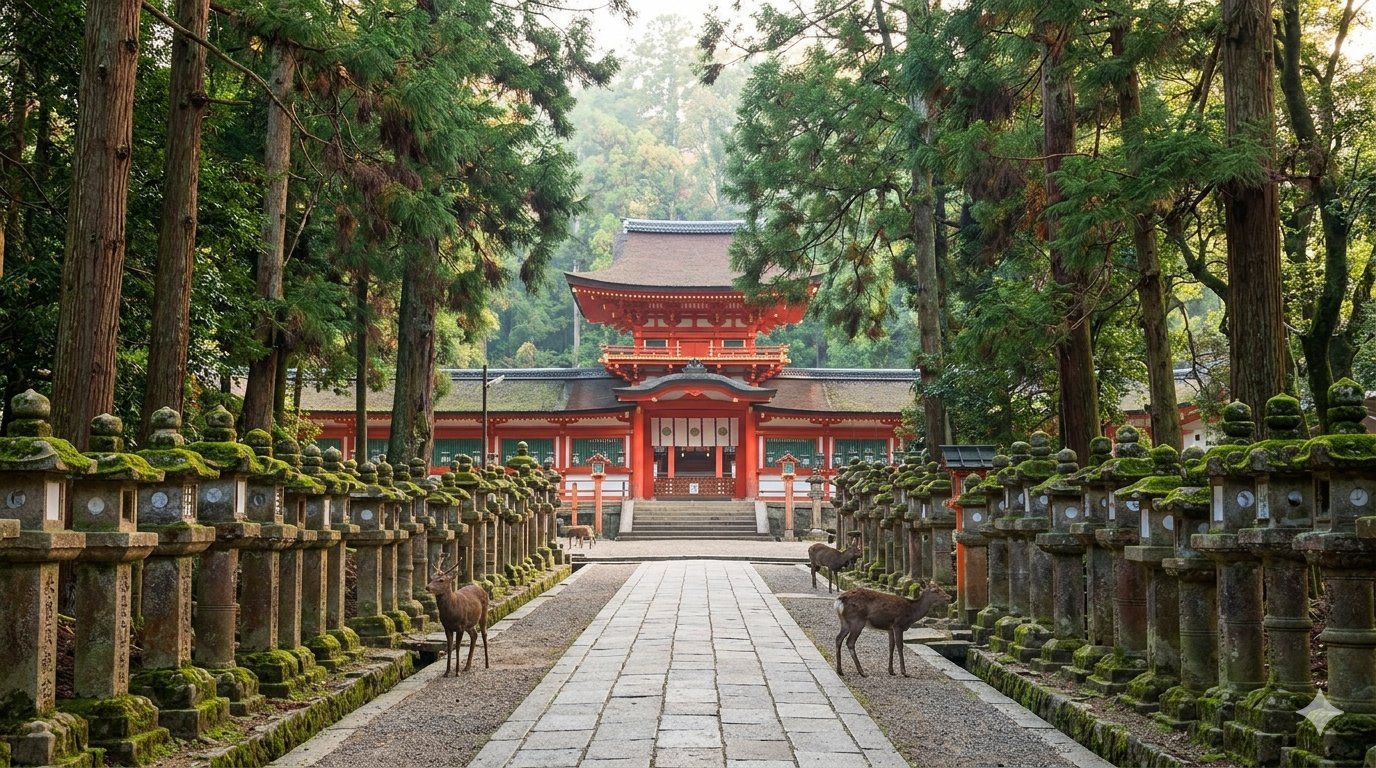
Kasuga Taisha is one of Japan's most celebrated Shinto shrines, nestled within the ancient forests of Nara Park since 768 CE. The shrine is famous for its extraordinary collection of over 3,000 lanterns — both stone and bronze — that line the moss-covered approaches and dangle from the shrine's eaves. Twice a year during the Mantoro lantern festivals, all 3,000 lanterns are lit simultaneously, creating an ethereal, otherworldly atmosphere. A UNESCO World Heritage Site since 1998, the shrine is dedicated to the deities of the powerful Fujiwara clan. Sacred deer wander freely through the surrounding forest, considered divine messengers of the gods.
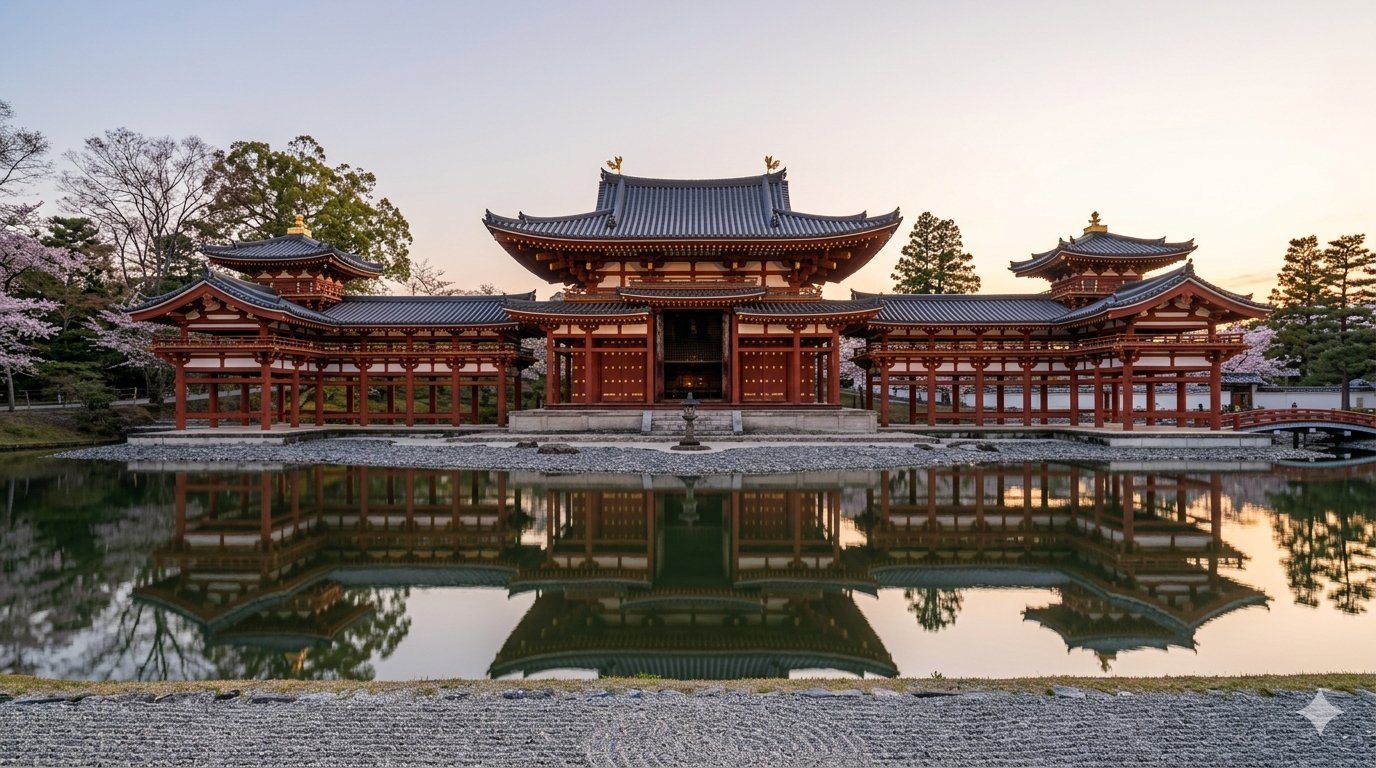
Byodo-in's Phoenix Hall is arguably the most graceful building in all of Japan — a vision of Pure Land Buddhist paradise so perfect it has graced the reverse of the Japanese ten-yen coin for decades. Built in 1053 CE on the banks of the Uji River in Kyoto Prefecture, the hall seems to float above its reflection pond like a mythical phoenix about to take flight. Inside sits a magnificent gilded Amida Buddha, surrounded by cloud-borne bodhisattvas playing celestial instruments. The surrounding garden, with its carefully raked gravel and sculpted pines, embodies the Japanese concept of Pure Land paradise on earth. A UNESCO World Heritage Site and national treasure.
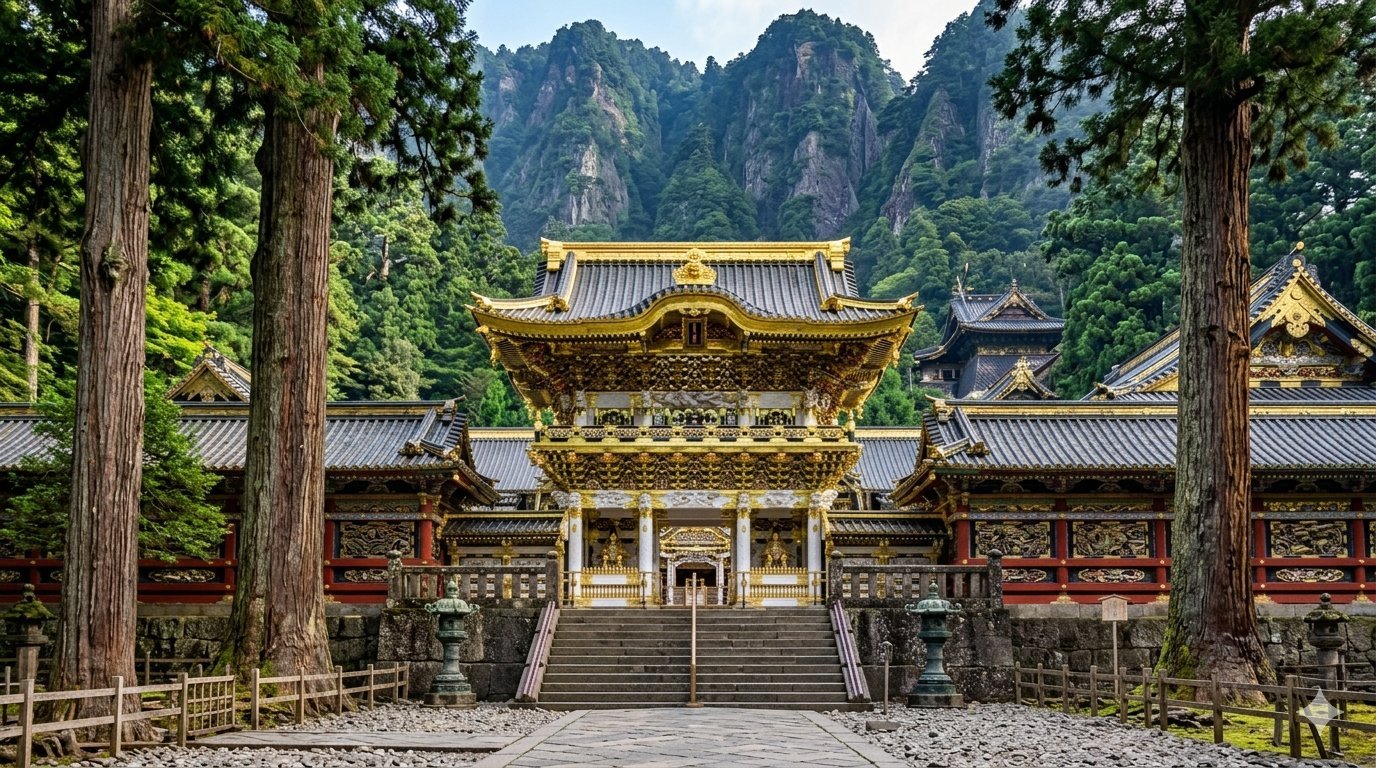
Nikko Tosho-gu is Japan's most ornate shrine complex, built in 1617 to enshrine the legendary shogun Tokugawa Ieyasu who unified Japan after centuries of civil war. Every surface of the 55 buildings is covered in extraordinarily detailed carvings and lacquer work in gold, red, and black — a deliberate display of Edo-period power and craftsmanship. Look for the famous three wise monkeys carved above the sacred stable, and the sleeping cat (Nemuri-neko) above one of the gates. Set amid towering ancient cedars in the mountains of Tochigi, the shrine commands a setting as dramatic as its decoration. UNESCO World Heritage Site.
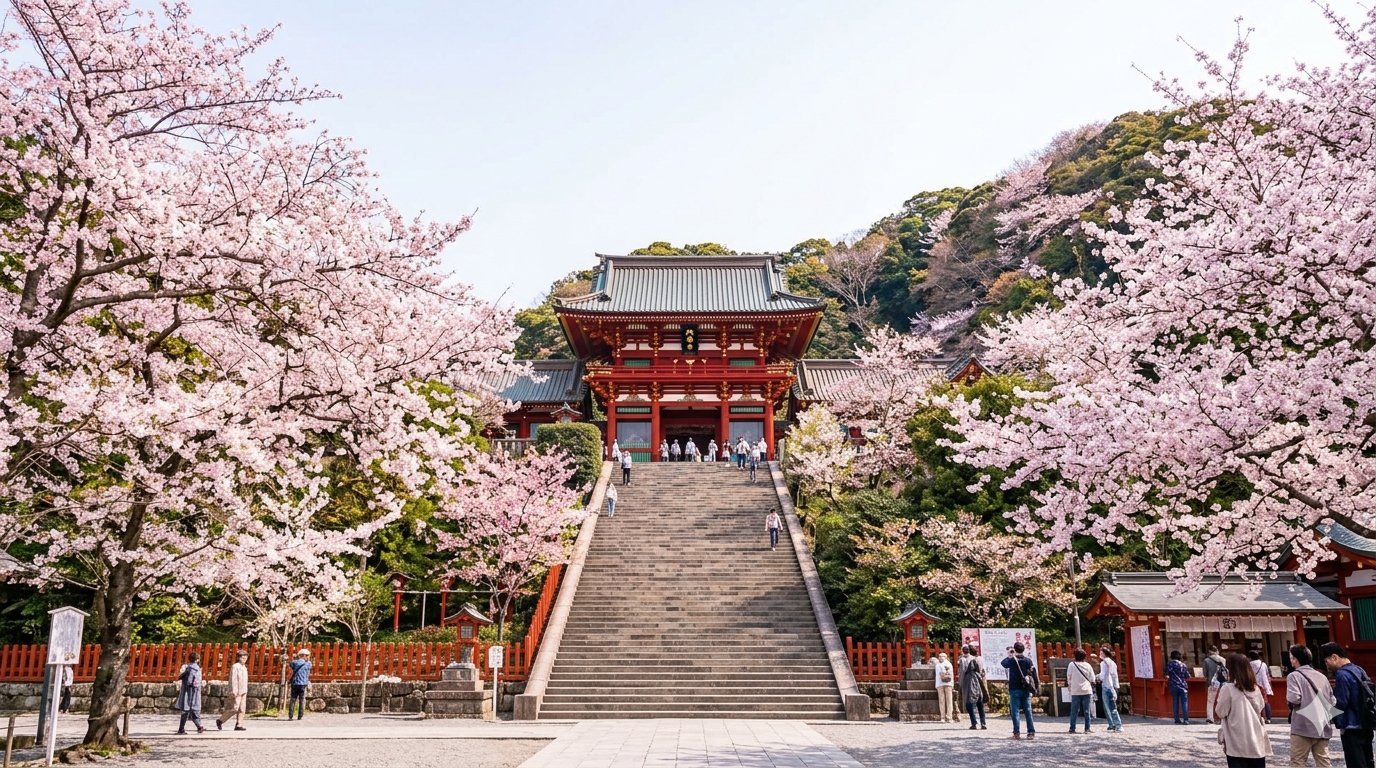
Tsurugaoka Hachimangu is the spiritual heart of Kamakura, Japan's ancient samurai capital. Founded in 1063 and relocated in 1180 by the great shogun Minamoto no Yoritomo, the shrine is dedicated to Hachiman, the Shinto god of war and patron deity of the samurai class. A broad processional avenue lined with cherry trees leads from the sea to the main hall, which sits atop dramatic stone staircases. The grounds host seasonal festivals, traditional horseback archery (yabusame), and a museum of samurai artifacts. Especially magical during cherry blossom season when the avenue erupts in pink.

Kiyomizudera — "Pure Water Temple" — is perhaps Kyoto's most beloved landmark, clinging dramatically to the forested cliffs of Mount Otowa since 778 CE. The iconic wooden stage, built without a single nail using traditional interlocking joints, juts out 13 metres over the hillside offering sweeping views of Kyoto framed by maple and cherry trees. Three streams of sacred water fall into the Otowa waterfall below — pilgrims drink from them, each stream said to grant longevity, love, or success in studies. The surrounding lanes are lined with traditional machiya townhouses selling Kyoto sweets and ceramics. A UNESCO World Heritage Site since 1994.
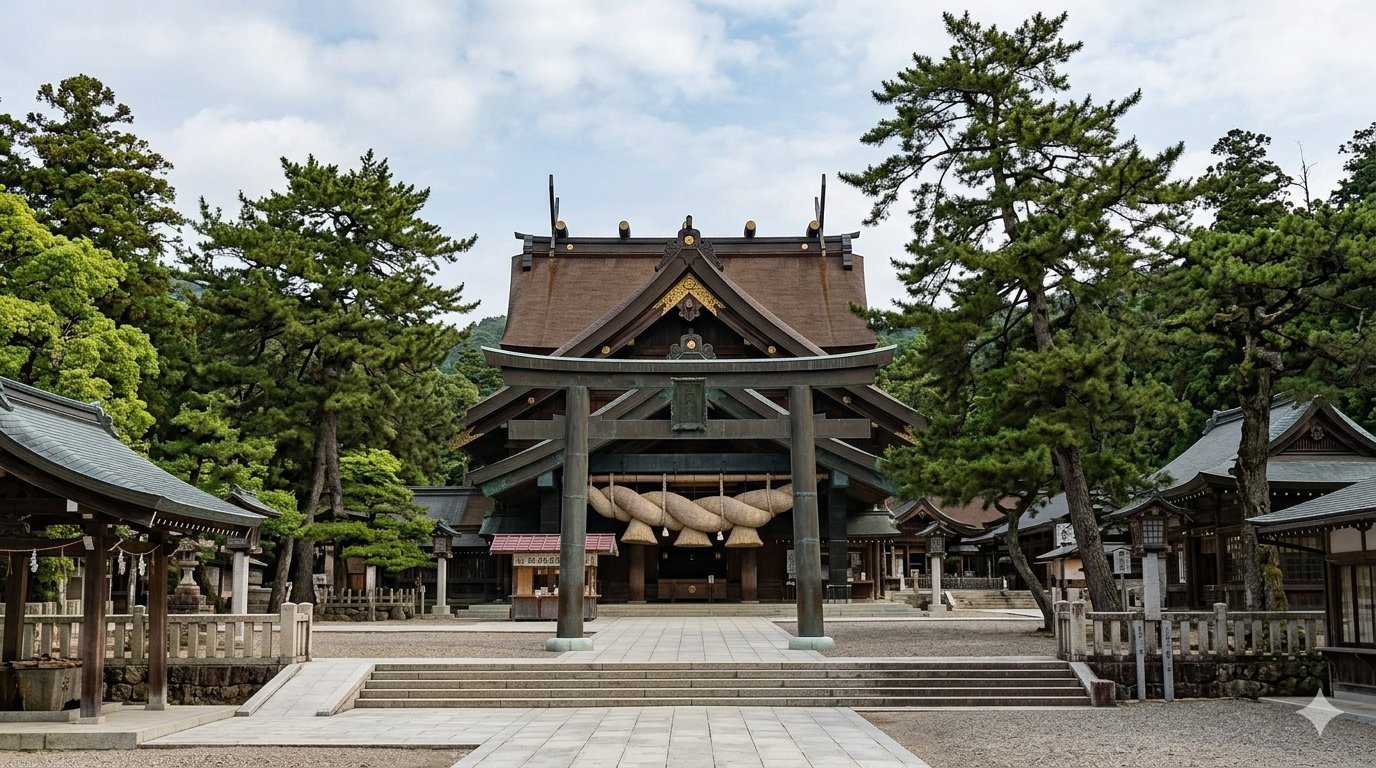
Izumo Oyashiro — formally known as Izumo Taisha — is one of Japan's oldest and most spiritually significant shrines, dedicated to Okuninushi-no-Mikoto, the great deity of marriage, relationships, and good fortune. The shrine's origins predate written Japanese history, with legends suggesting it was built by the gods themselves before Japan was formed. Every October in the Japanese lunar calendar, the gods of all Japan are said to gather at Izumo for a divine council — making this the one place in Japan never without its gods. The enormous shimenawa rope hanging above the main entrance is the largest in Japan, weighing over five tonnes. Couples and those seeking love come from across Japan and the world to pray here.
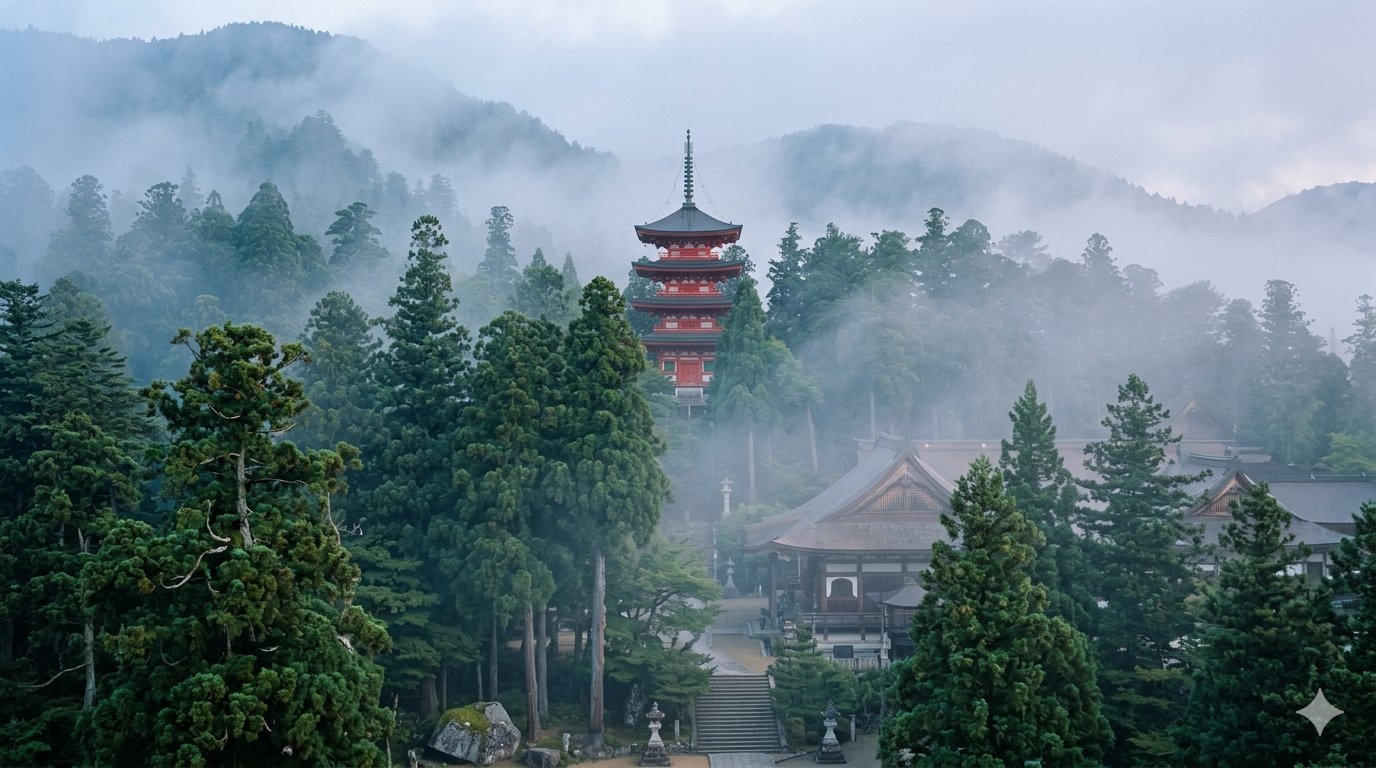
Koyasan — Mount Koya — is Japan's most sacred mountain and the headquarters of Shingon esoteric Buddhism, established in 816 CE by the revered monk Kobo Daishi (Kukai). The mountain-top settlement at 900 metres elevation contains over 100 temples and monasteries set among towering ancient cedars. The Okunoin cemetery, stretching over two kilometres through ancient forest, is one of Japan's most atmospheric and moving experiences — over 200,000 grave markers line the moss-covered path leading to Kobo Daishi's mausoleum, where he is said to remain in eternal meditation. Pilgrims have walked the ancient Kumano Kodo trails to reach this sacred mountain for over a thousand years. A UNESCO World Heritage Site.
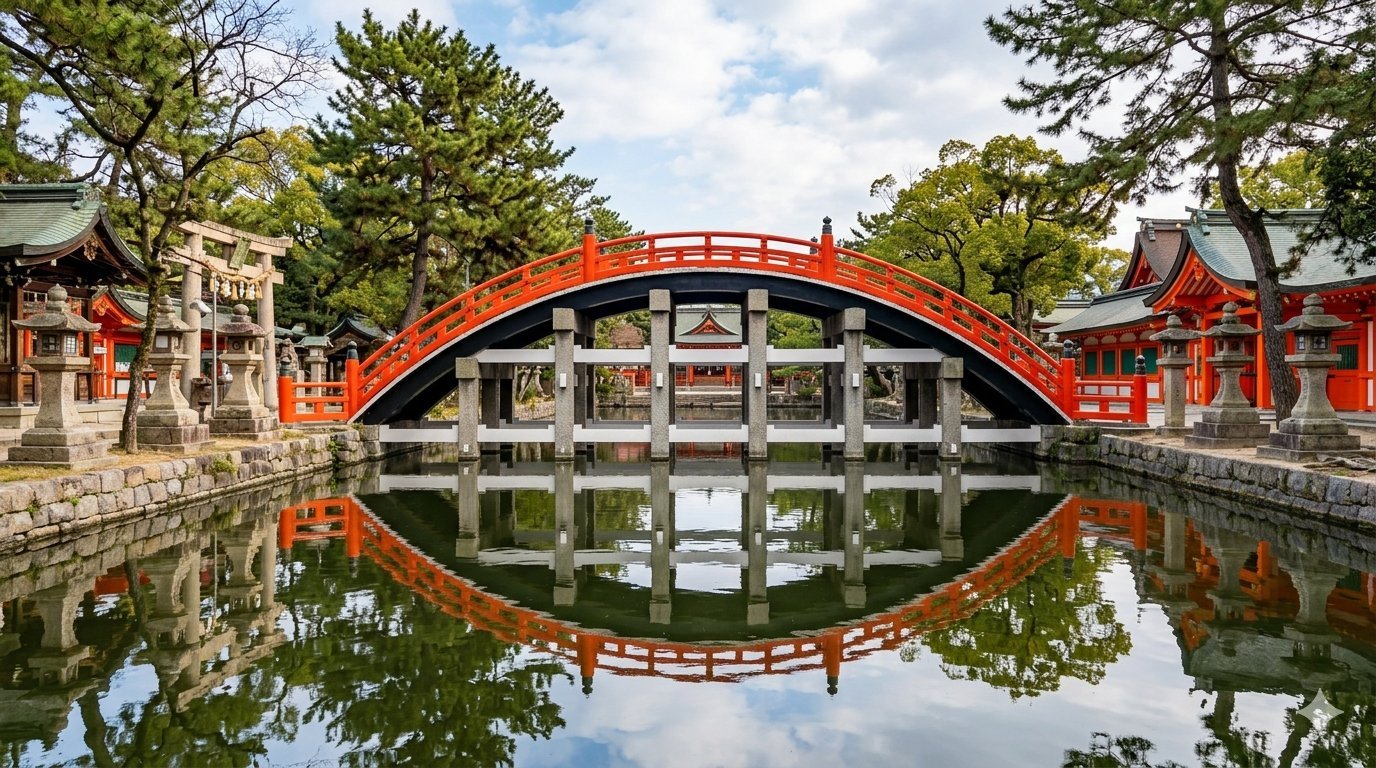
Sumiyoshi Taisha in Osaka is one of Japan's oldest and most architecturally distinctive shrines, dating back to the 3rd century CE. As the head shrine of approximately 2,300 Sumiyoshi shrines across Japan, it is dedicated to the three Sumiyoshi deities of the sea and seafaring, as well as the Empress Jingu who is said to have founded the shrine after a successful naval expedition to Korea. The shrine's architectural style — known as Sumiyoshi-zukuri — is uniquely Japanese, predating the influence of Chinese and Buddhist design, making it a rare example of purely indigenous Japanese sacred architecture. The iconic taiko-bashi drum bridge curving steeply over the sacred pond is one of Osaka's most beloved landmarks.
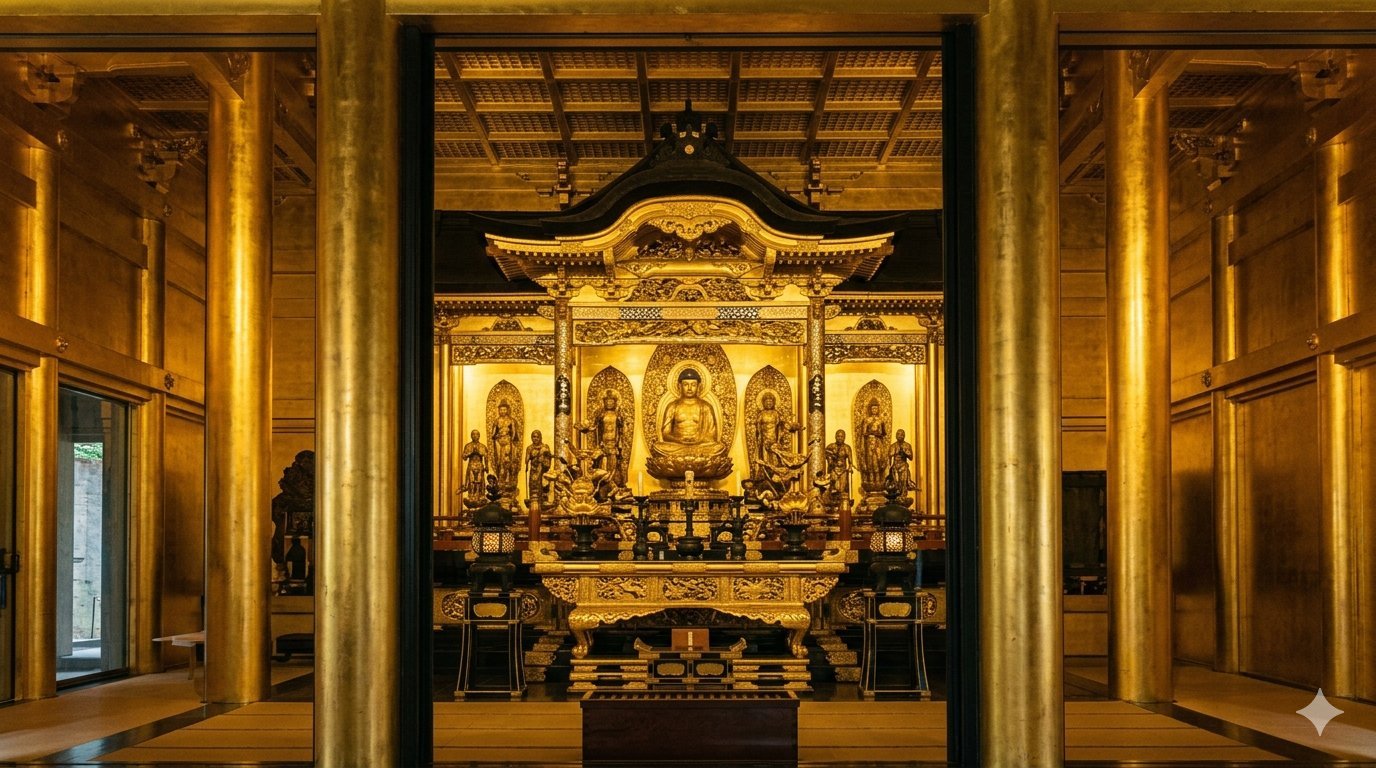
Chusonji's Konjikido — the Golden Hall — is one of the most extraordinary and perfectly preserved treasures in all of Japanese Buddhist art. Built in 1124 CE by the powerful Fujiwara lord Kiyohira, the tiny hall is entirely sheathed in gold leaf inside and out, its lacquered surfaces inlaid with mother-of-pearl, lapis lazuli, and amber in intricate floral and arabesque patterns. Three golden altars each contain mummified remains of the Fujiwara lords, preserved for nearly 900 years. The hall has survived wars, fires, and centuries of harsh Tohoku winters, now protected inside a modern concrete shelter. Located in Hiraizumi, Iwate Prefecture — a UNESCO World Heritage Site recognising the remarkable Buddhist culture of the Northern Fujiwara.
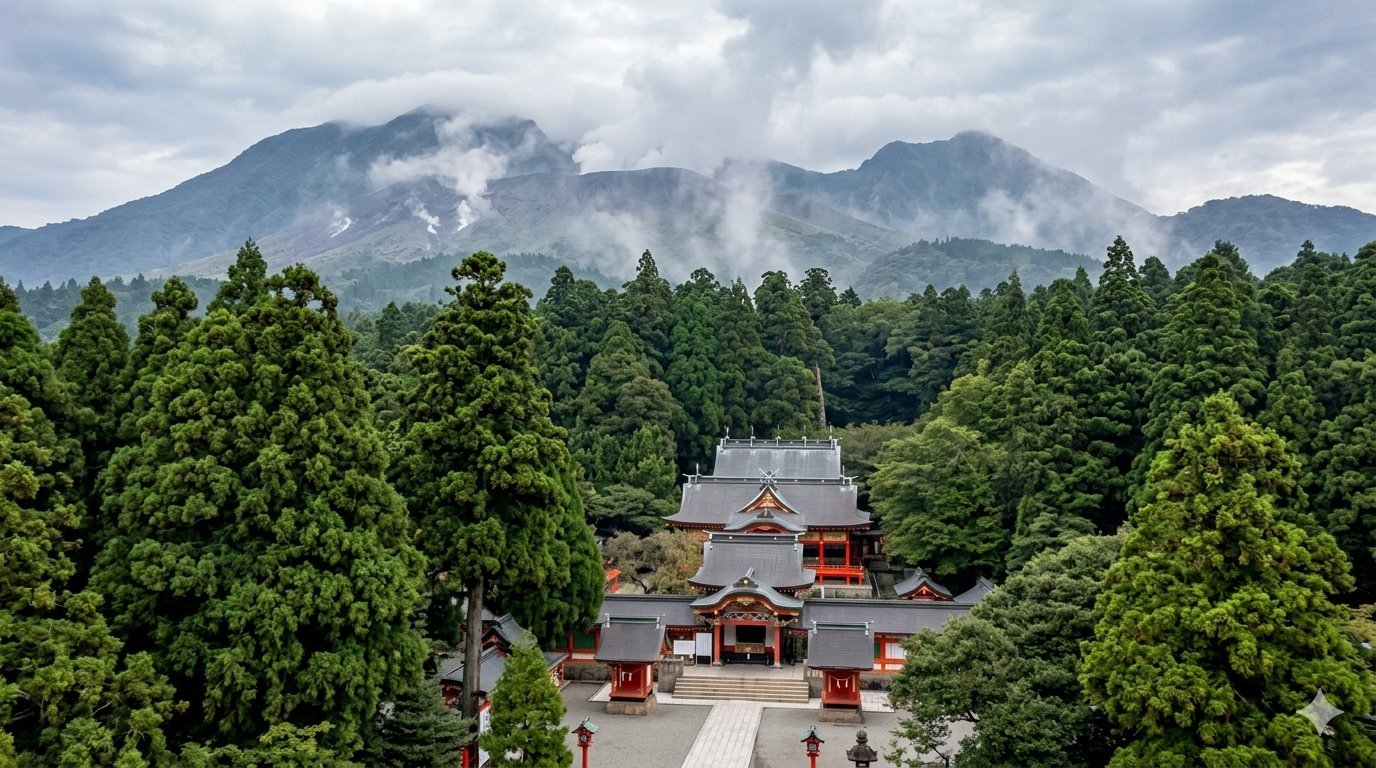
Kirishima Jingu is one of Kyushu's most dramatic and mythologically rich shrines, set at 660 metres elevation amid the volcanic Kirishima mountain range in Kagoshima Prefecture. The shrine is dedicated to Ninigi-no-Mikoto, the grandson of the sun goddess Amaterasu, who according to Japanese mythology descended from the heavens to the summit of Mount Takachiho-no-mine — clearly visible from the shrine on clear days — to establish the divine lineage of the Japanese imperial family. The current vermillion shrine buildings, rebuilt in 1715, glow magnificently against the backdrop of mist-wreathed volcanic peaks. The surrounding Kirishima-Kinkowan National Park offers spectacular hiking through volcanic landscapes with wild deer grazing among the shrine approaches.
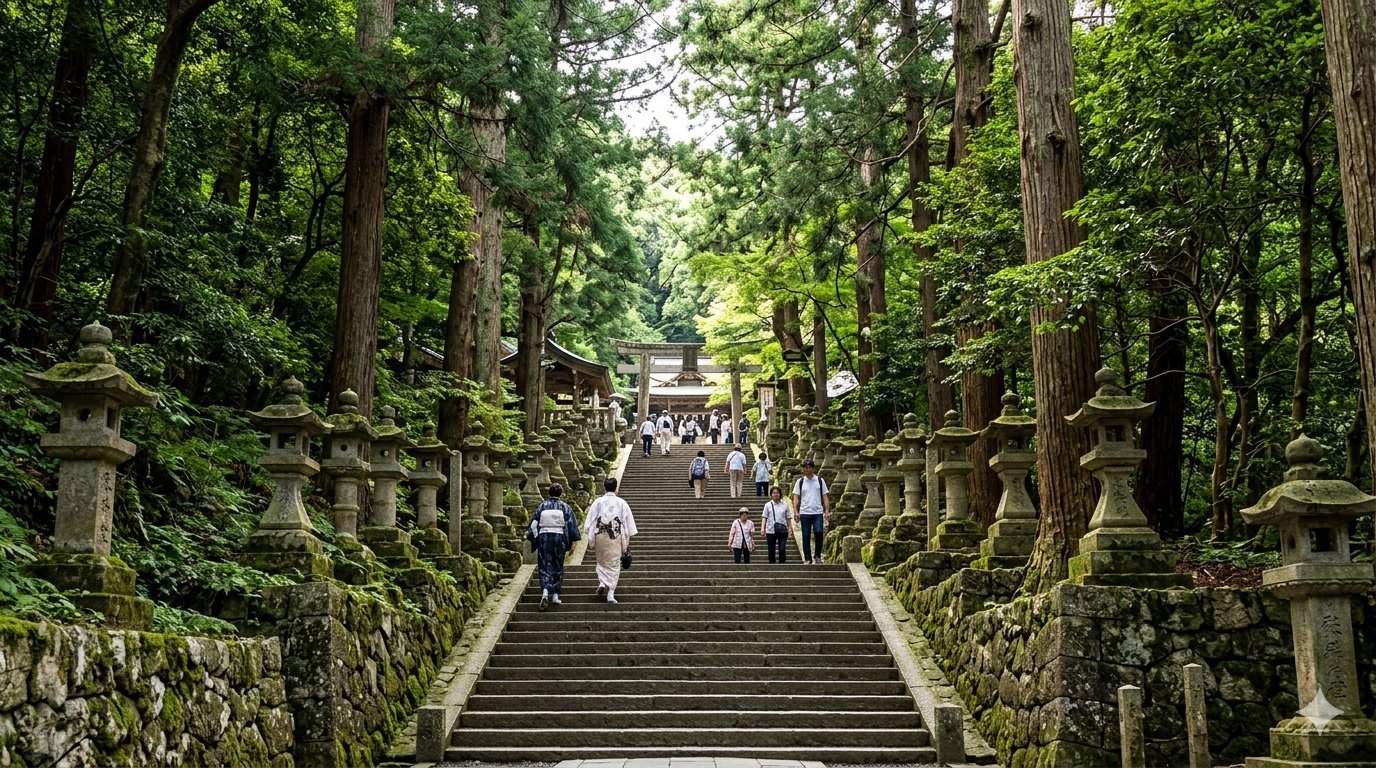
Kotohira-gu — affectionately known as Konpira-san — is one of Japan's most challenging and rewarding pilgrimage destinations, requiring a climb of 785 stone steps to reach the main shrine and 1,368 steps to reach the inner shrine at the mountain's summit. Dedicated to the sea deity Kotohira-Myojin, the shrine has been a place of pilgrimage for sailors, fishermen, and travellers seeking safe passage for over a thousand years. The long stairway approach is lined with stone lanterns, souvenir shops, and rest houses, while the views from the summit over the Sanuki Plain and the Seto Inland Sea are among the finest in Shikoku. Historic palanquins (kago) are available for hire for those unable to climb.
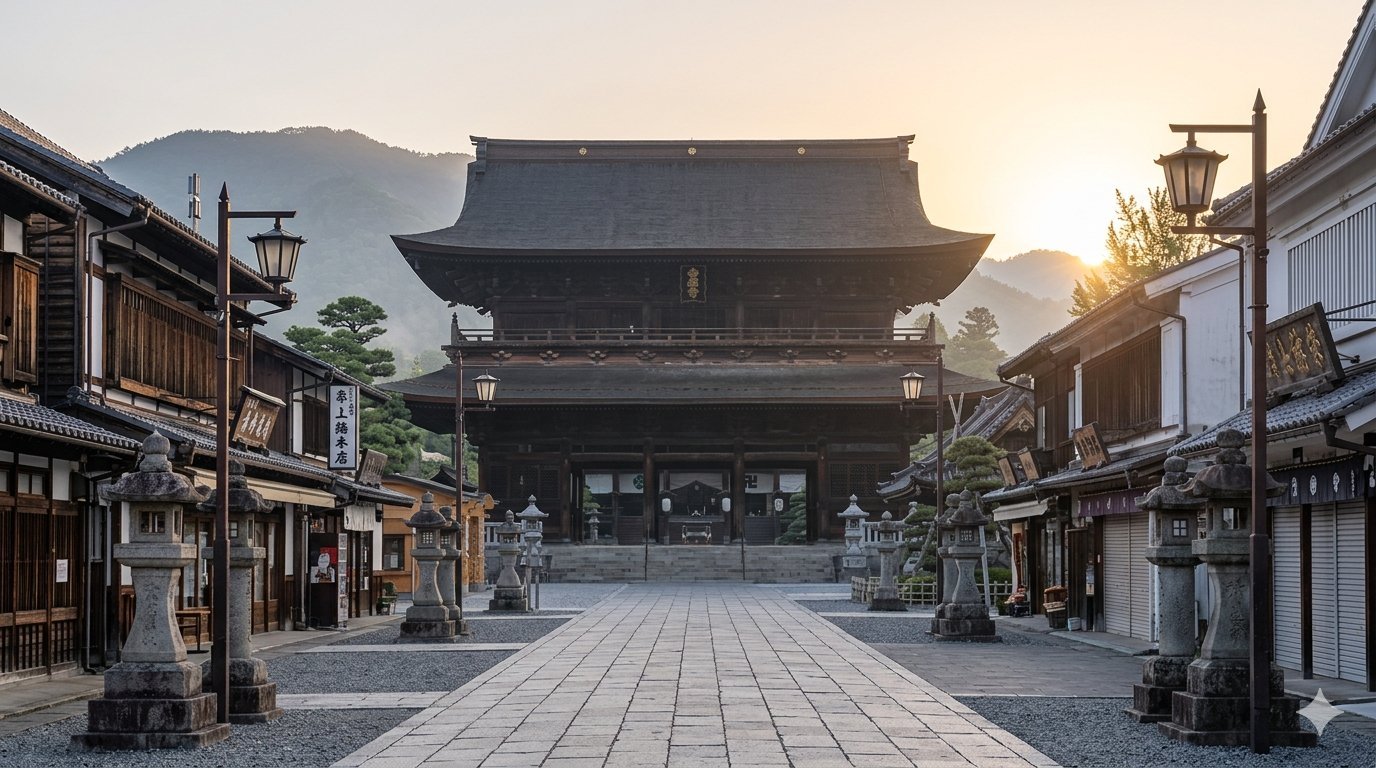
Zenkoji is one of Japan's most important and universally welcoming Buddhist temples, founded in 642 CE to house what is believed to be the very first Buddhist image to arrive in Japan — a golden Amida triad brought from Korea in 552 CE. Uniquely, the temple belongs to no single sect and welcomes followers of all Buddhist traditions as well as non-believers, embodying a spirit of universal compassion. A seven-year ritual known as Gokaichō displays a replica of the hidden sacred image, drawing millions of pilgrims. Beneath the main hall, a pitch-black underground corridor leads to the 'Key to Paradise' — groping through total darkness to touch the key is said to guarantee enlightenment. Located in Nagano City, the temple draws over six million visitors annually.

Tenryu-ji is a UNESCO World Heritage Zen temple nestled at the foot of Arashiyama's bamboo groves in western Kyoto. Founded in 1339 by shogun Ashikaga Takauji, it is the head temple of the Tenryu-ji school of Rinzai Zen Buddhism. Its celebrated garden, designed by master landscape artist Muso Soseki, is considered one of Japan's finest — a borrowed scenery (shakkei) masterpiece using the Arashiyama mountains as its backdrop. The temple complex includes a magnificent dragon ceiling painting in the Hatto hall, vivid and powerful in its sweeping brushwork.

Hakone Shrine is one of the Kanto region's most celebrated Shinto shrines, set amid ancient cedar forests on the shores of Lake Ashi with a dramatic view of Mount Fuji on clear days. Founded in 757 CE, it has long been venerated by samurai and warriors — Minamoto no Yoritomo prayed here before his victorious campaigns. The iconic vermillion torii gate rising from the lake's surface is one of Japan's most photographed shrines scenes. The shrine enshrines three deities associated with water, mountains, and travel, making it a beloved destination for those seeking safe journeys and success.
For over a thousand years, matsuri have brought Japan's sacred shrines to life with portable mikoshi, towering floats, and ecstatic dancing. From Kyoto's elegant Heian processions to Aomori's roaring summer nights — these are the nine festivals to plan an entire trip around.
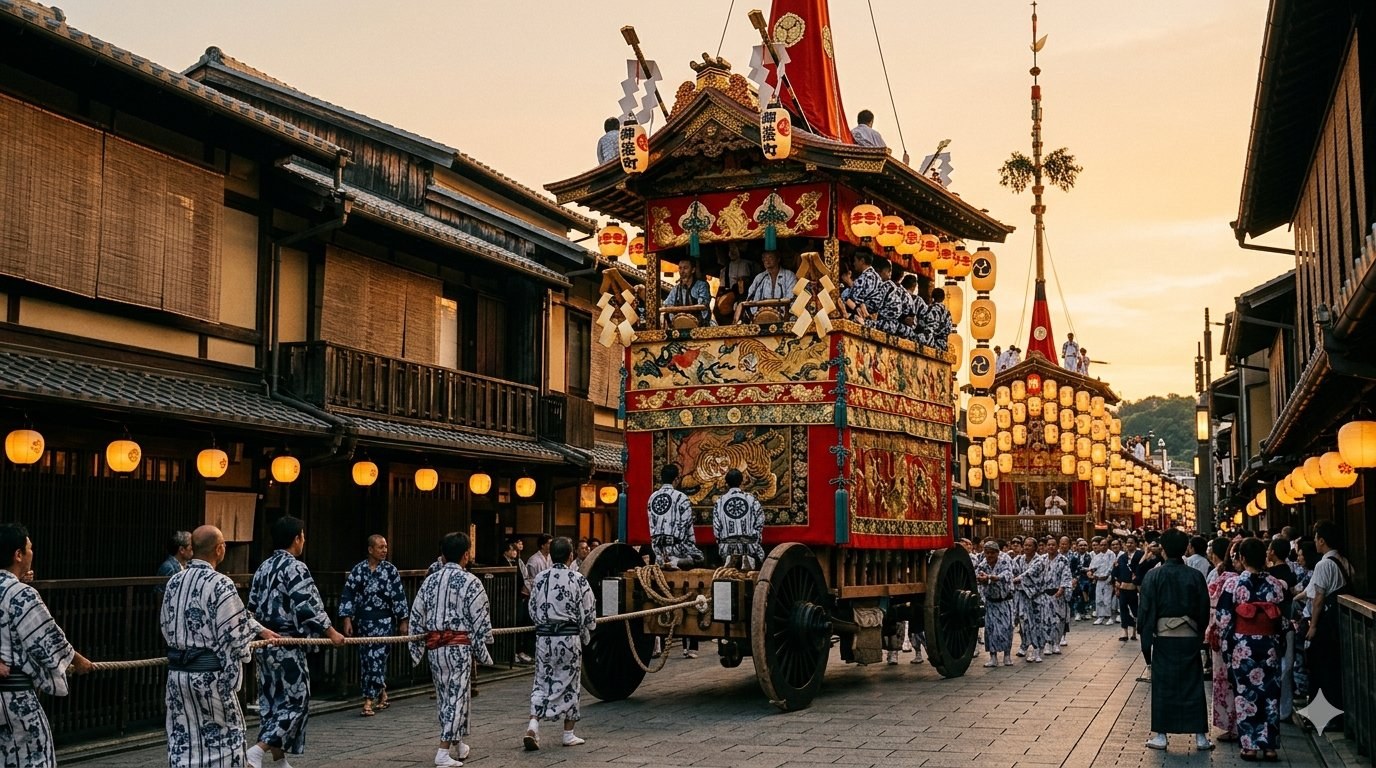
Kyoto's grandest festival and one of Japan's three greatest matsuri, dating back to 869 CE. The entire month of July is devoted to rituals, but the highlight is the Yamaboko Junko — a parade of 33 towering wooden floats up to 25 metres tall, drawn through downtown Kyoto. The three nights before each procession (yoiyama) close central streets to traffic, with float interiors lit by paper lanterns and families opening their machiya houses to display heirloom treasures.
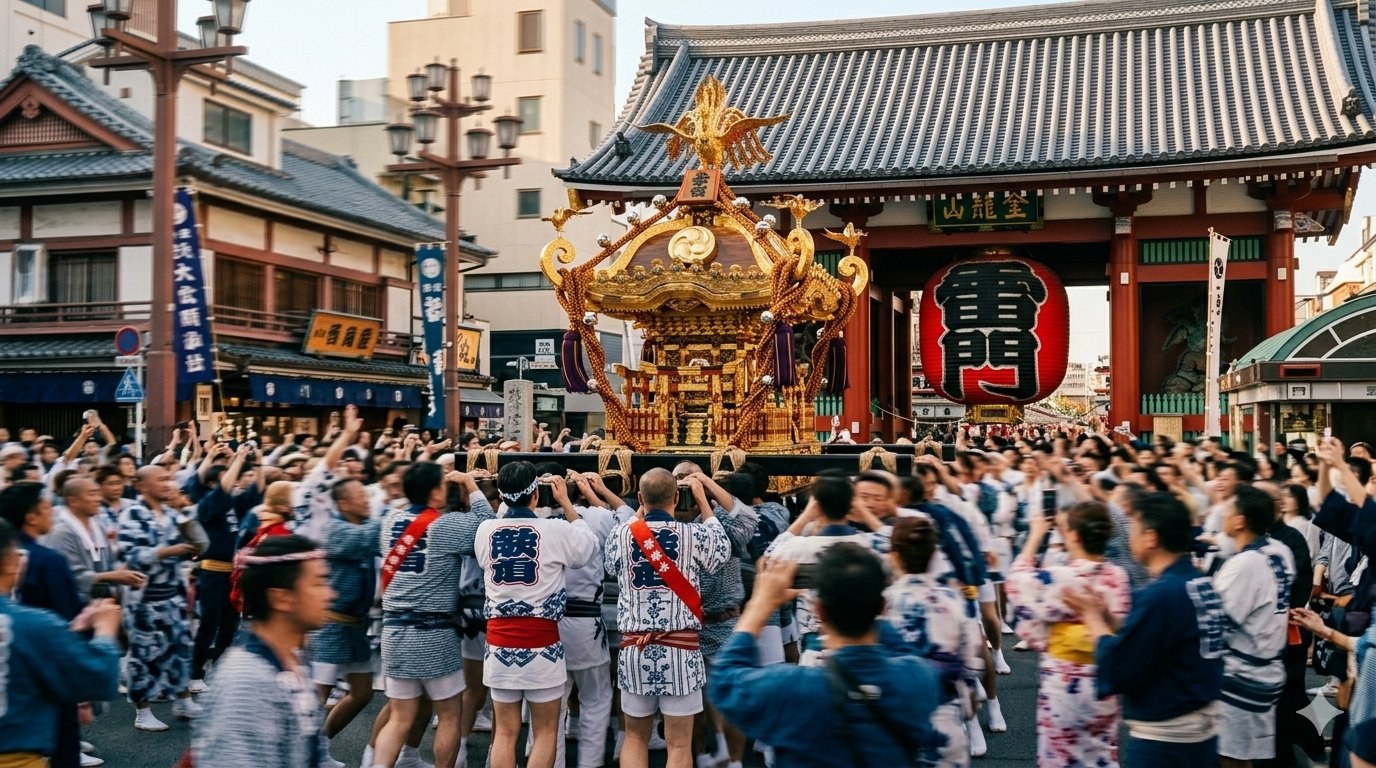
Tokyo's biggest and rowdiest Shinto festival, drawing nearly two million spectators over three days. Around 100 mikoshi portable shrines are hauled, shaken and shouted through the narrow streets of Asakusa by tens of thousands of carriers — many of them Edo-era guild members in traditional happi coats with elaborate full-body irezumi tattoos on display. The Sunday climax sees the three main mikoshi of Asakusa Shrine paraded from dawn until late evening.
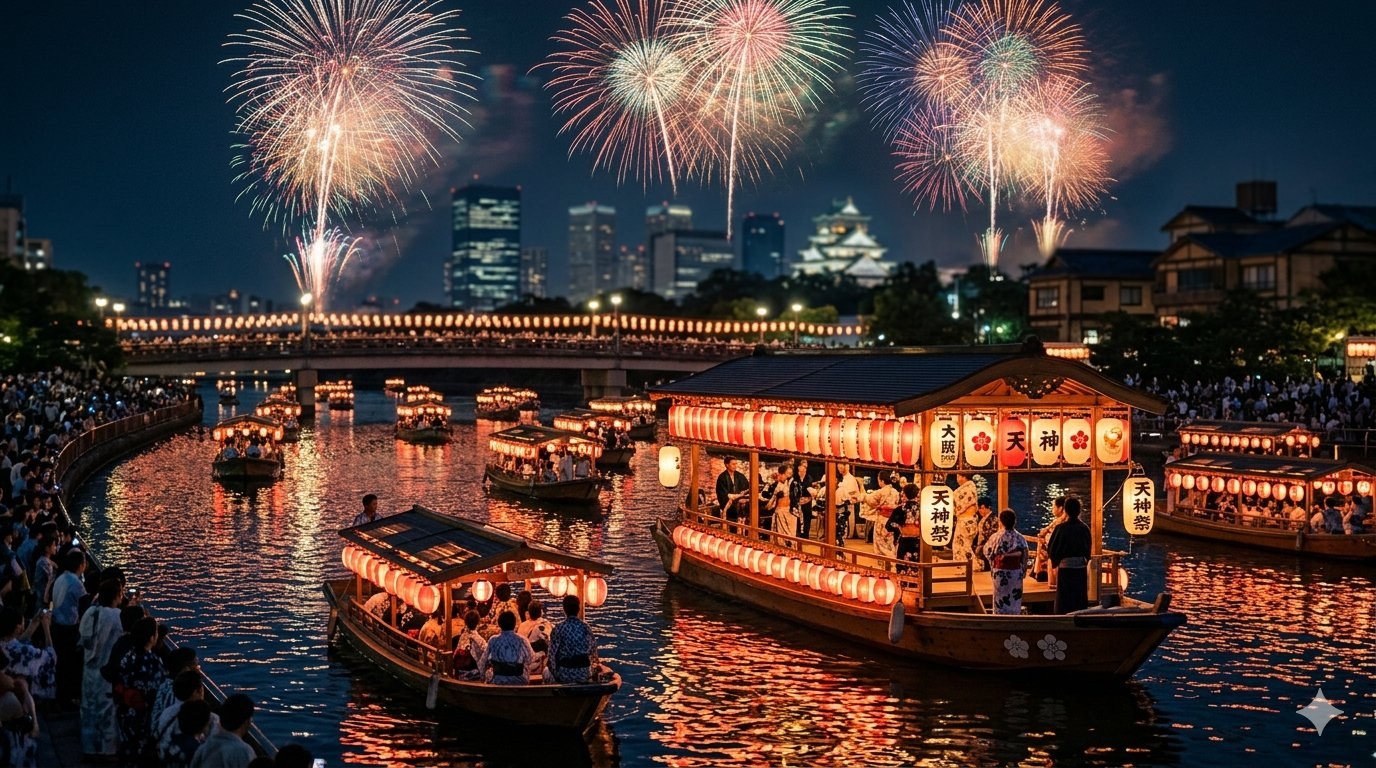
A thousand-year-old festival counted among Japan's three greatest, honouring Sugawara no Michizane — the deity of scholarship. After the daytime land procession, more than 100 illuminated boats carry the deity's spirit down the Okawa River at dusk while 5,000 fireworks explode overhead. The reflections on the water and the chanting from the riverbanks create one of the most atmospheric nights in Japan's festival calendar.
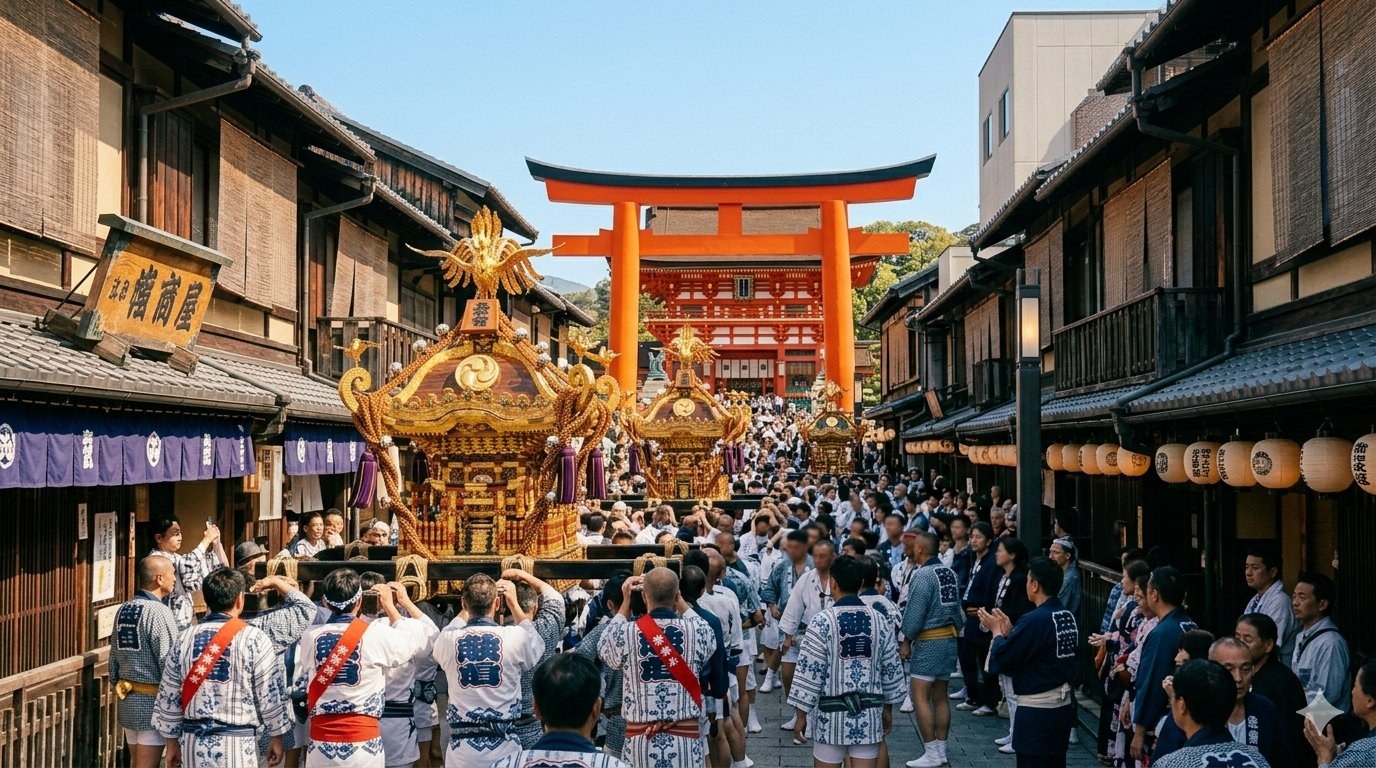
One of Edo's three greatest festivals, held in alternating years to share the spotlight with Tenjin Matsuri. Around 200 mikoshi shrines weave through Kanda, Nihonbashi, Otemachi and Marunouchi — the heart of old downtown Tokyo, including a stop at the Imperial Palace. Originally a celebration of the Tokugawa shogunate's victory at Sekigahara in 1600, the procession of priests on horseback in Heian costume is a striking flash of medieval Japan in modern Tokyo.
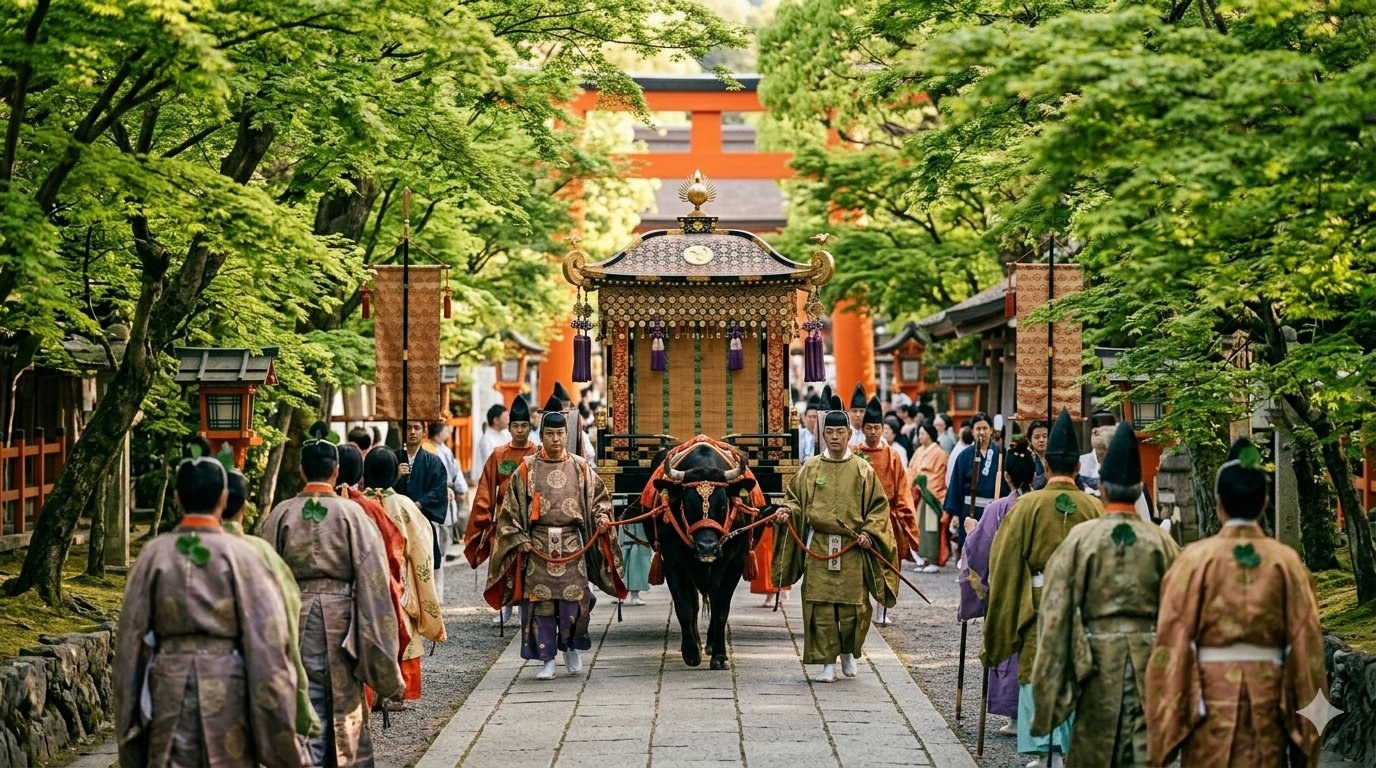
Kyoto's most refined and ancient festival, with origins in the 6th century. Some 500 marchers in authentic 8th-century court costume process slowly from the Imperial Palace through the city to first Shimogamo, then Kamigamo Shrine — accompanied by ox-drawn carriages, horses, and the Saio-dai princess in twelve-layered junihitoe robes. The whole route is decorated with hollyhock leaves (aoi), believed to ward off thunder and disasters.
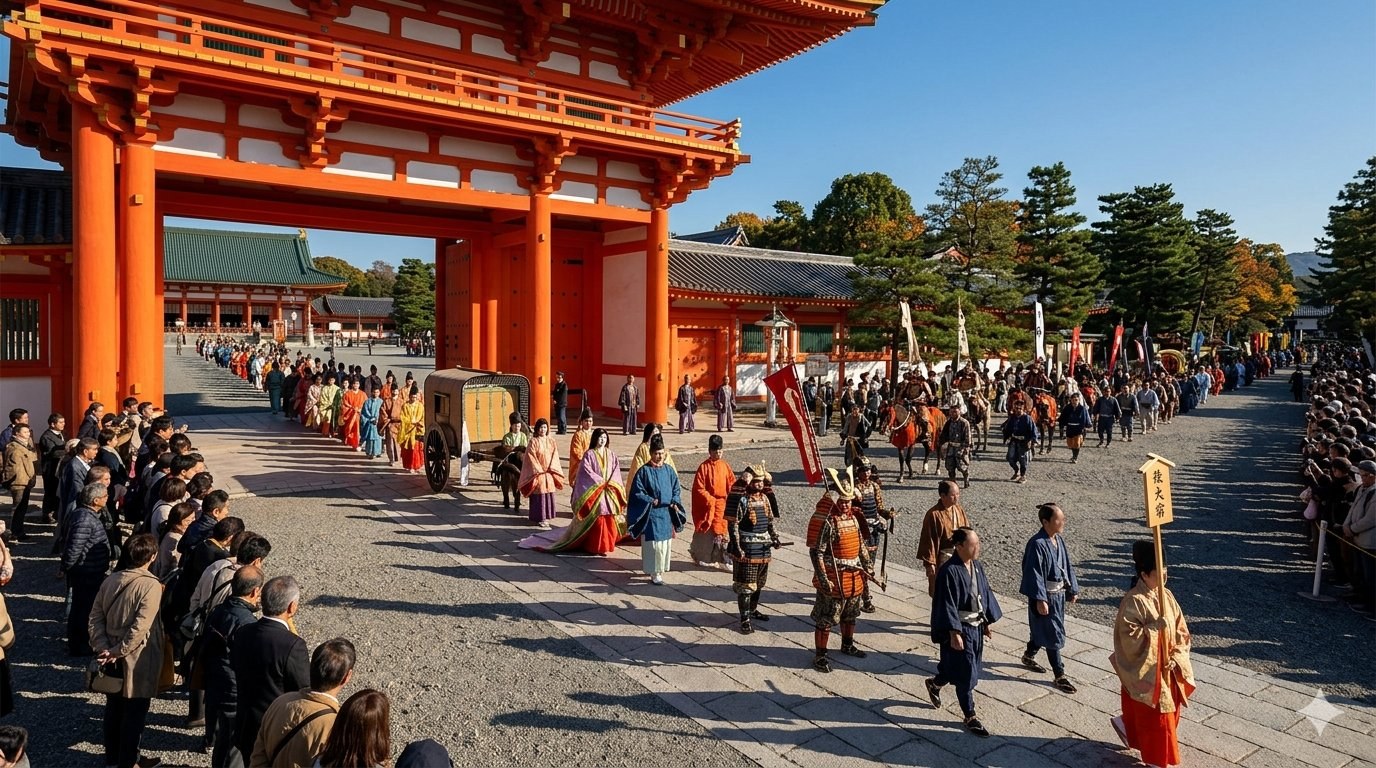
A living history pageant established in 1895 to mark the 1,100th anniversary of Kyoto's founding. Around 2,000 marchers in painstakingly recreated period costume parade in chronological order from the Imperial Palace to Heian Jingu — beginning with Meiji-era statesmen, then Edo samurai, Sengoku warlords, Heian courtiers, and finally back to the founders of Heian-kyo in 794 CE. The whole sweep of Kyoto's 1,200 years passes by in a single afternoon.
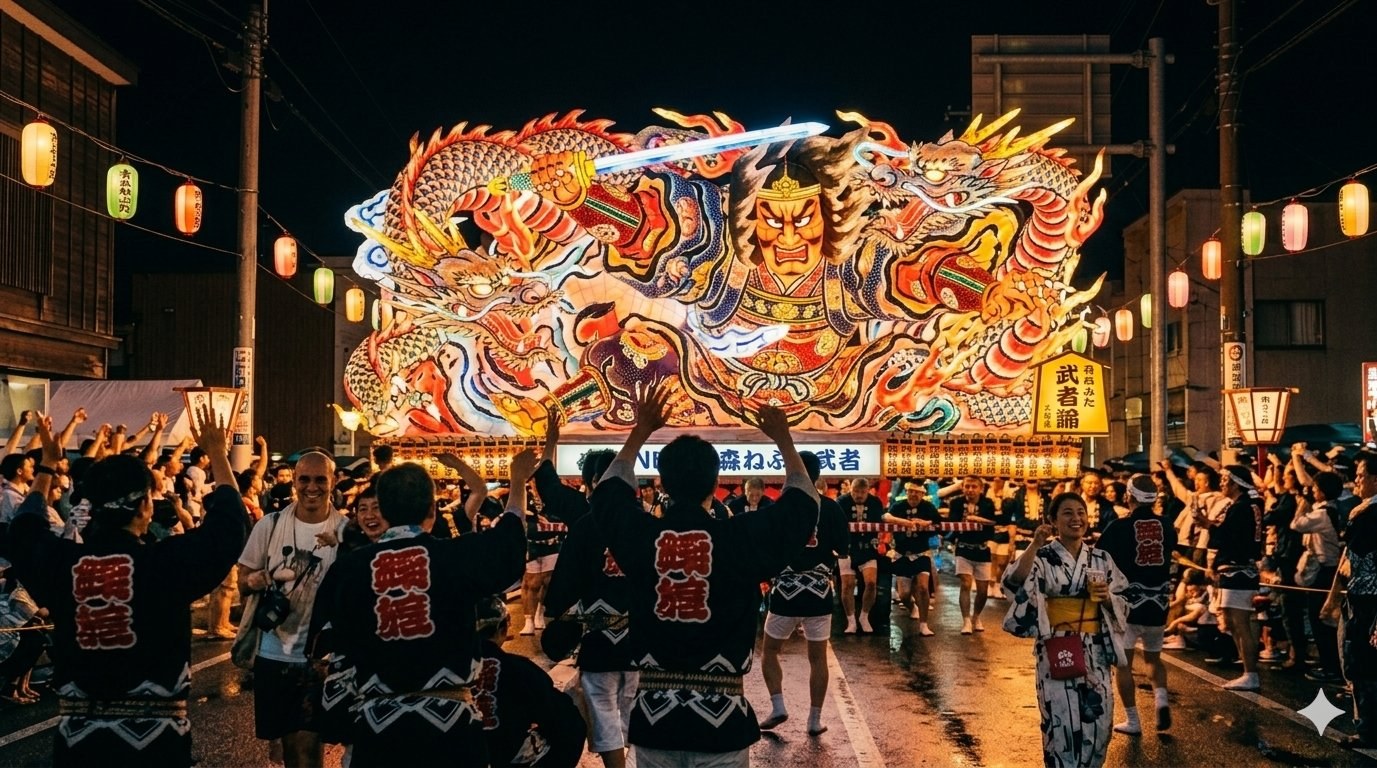
Japan's most spectacular summer festival and a designated Important Intangible Folk Cultural Property. For six nights, gigantic illuminated paper-and-wire floats up to 9 metres wide and 5 metres tall — depicting samurai warriors, gods and demons from Japanese myth — are paraded through the streets of Aomori. Thousands of haneto dancers in colourful happi coats leap alongside them shouting "Rassera! Rassera!", and any visitor can join in by renting a costume.
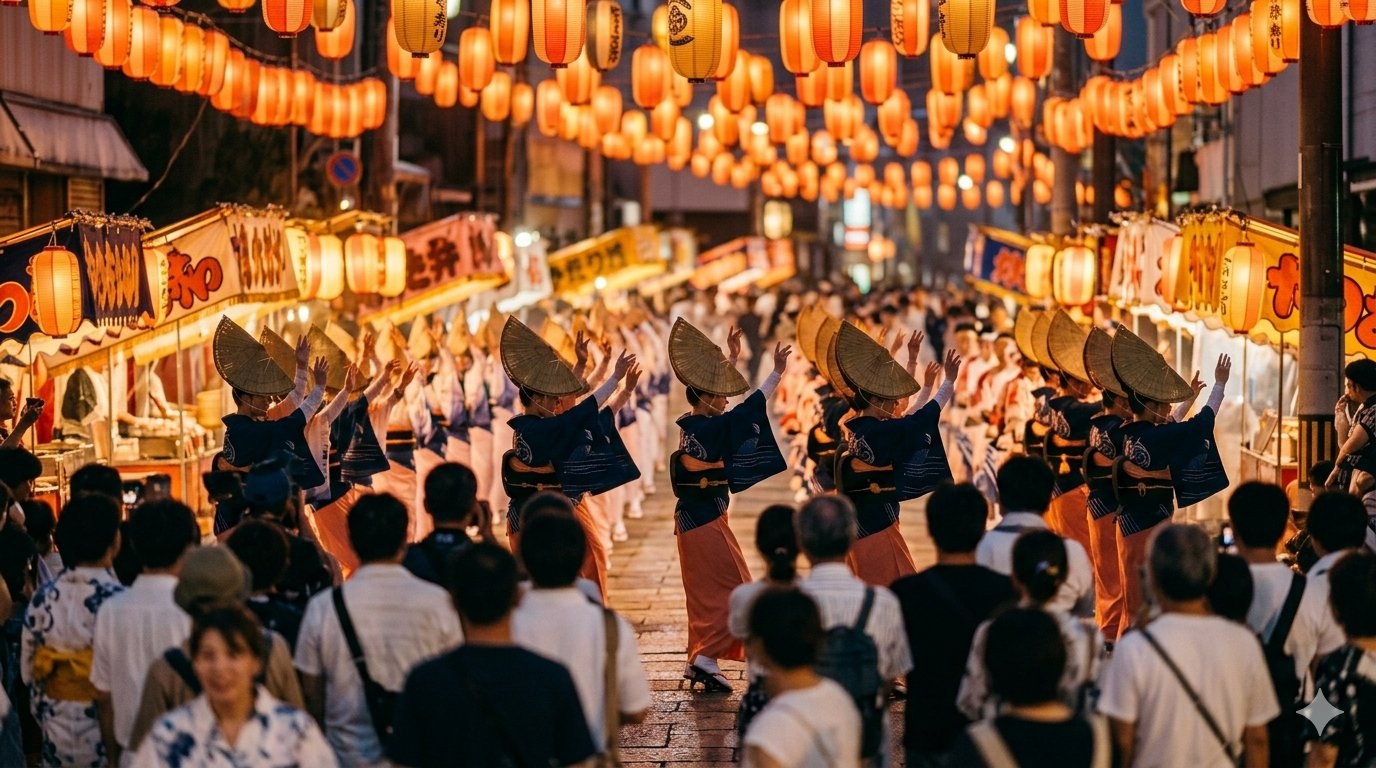
Japan's largest dance festival and the world's biggest Bon Odori, with a 400-year history dating to 1586. For four nights during Obon, more than 100,000 dancers organised into "ren" troupes fill Tokushima's streets — men in low-slung steps, women in straw hats and elevated geta sandals, all moving to the lilting two-beat rhythm of shamisen, drums and flutes. The signature chant: "The dancers are fools, the watchers are fools — both are fools alike, so why not dance?"
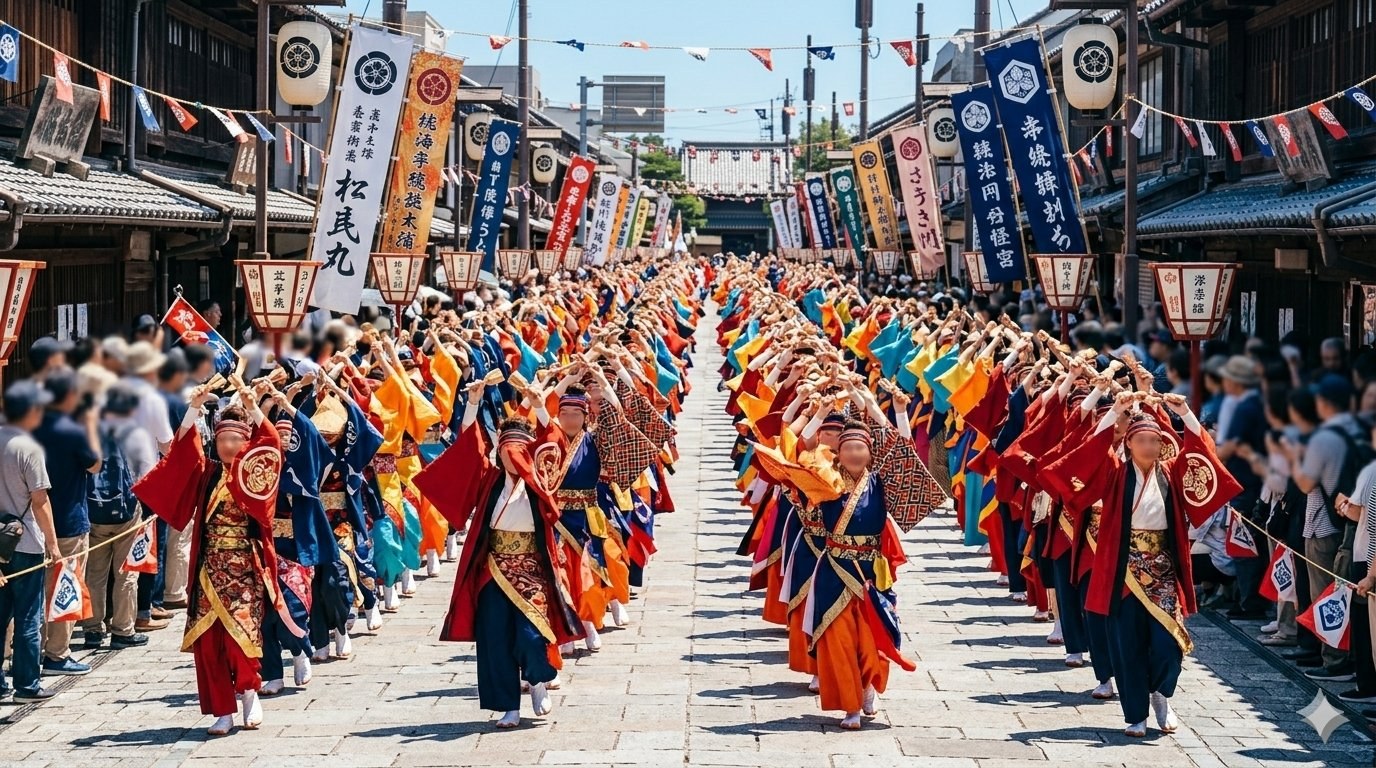
Born in 1954 as a postwar morale-boost, Yosakoi has grown into one of Japan's most energetic festivals — and inspired imitator events across the country, including Sapporo's massive Yosakoi Soran. Around 20,000 dancers in roughly 200 teams perform original choreographies blending traditional Tosa folk movement with modern music, each waving naruko wooden clappers. Costumes are wildly inventive — every team competes for the prestigious "Grand Prize" given on the final night.
Explore More Festivals
Beyond the nine festivals featured above, Japan has hundreds of regional matsuri carried on by small communities. Here's where to find them.
JA Kyosai's prefecture-by-prefecture archive of festivals and traditional performing arts. A genuine window into the smaller, deeply local matsuri that international guides rarely cover — from sacred ceremonies in mountain villages to centuries-old dances kept alive by rural communities.
Visit JA Kyosai Festivals →This site is in Japanese, but modern browsers translate it seamlessly in seconds. On Chrome or Edge, right-click anywhere on the page and select "Translate to English." On iPhone or Mac Safari, tap the "aA" icon in the address bar and choose Translate. Most of the deepest travel knowledge written inside Japan stays in Japanese — knowing how to unlock it opens an entirely different layer of insight, the kind tourists rarely access.
Cherry blossoms transform shrine gardens into pale pink dreamscapes. Book accommodation many months ahead for Kyoto and Nara.
Vibrant summer festivals and Obon ceremonies light up temple grounds at dusk. Gion Matsuri in Kyoto is unmissable.
Crimson maple leaves against ancient stone and vermillion pillars — Japan's most celebrated and perhaps finest season.
Hatsumode (New Year's first visit) is among Japan's most cherished traditions. Snow-dusted temples offer rare, breathtaking stillness.
Rinse both hands at the stone basin before entering the shrine grounds. Left hand first, then right, then rinse the ladle handle.
At shrines: bow twice, clap twice, offer a silent prayer, then bow once more. At temples, join palms quietly — no clapping. See the video below for a visual guide.
Bring a goshuin-cho stamp book and collect hand-brushed calligraphy seals at each site — a treasured, living record of your journey.
Cover shoulders and knees at major temples. Most sites are relaxed, but understated dress is always appreciated and respectful.
Keep voices low. Some inner sanctums forbid photography — look for signs and always seek permission before raising your camera.
Purchase a protective omamori charm or try your luck with an omikuji fortune slip. A delightful ritual for visitors of all ages.
Watch — Shrine Etiquette in Action
Purchase a Japan Rail Pass before arriving for unlimited bullet train travel. An IC card (Suica or Pasmo) loaded with ¥3,000–5,000 covers local trains, buses, and convenience stores nationwide.
Arrive at popular shrines by 7–8am to experience them in near-total silence. Fushimi Inari, Kinkaku-ji, and Senso-ji transform completely before the crowds arrive — golden light, birdsong, incense.
Many shrines are free to enter (Fushimi Inari, Meiji Jingu). Temples typically charge ¥500–1,000. Budget ¥200–500 per goshuin stamp, and carry small coins for offerings (¥5 coins are considered lucky).
Major tourist shrines (Fushimi Inari, Sensoji, Todai-ji) have English signage and staff. Smaller shrines may have none — download Google Translate with Japanese offline for camera translation of signs.
Purchase your goshuin-cho at the first major shrine you visit (typically ¥1,500–2,000). Always present it open to a blank page. Some popular sites have long queues — budget 20–30 minutes. Many offer special seasonal designs.
Golden hour (30 min after sunrise, before sunset) makes shrine photography magical. Always check for no-photo signs in inner sanctums. Ask permission before photographing priests or ceremonies — most are gracious.
A kamidana (神棚, "god-shelf") is a miniature Shinto shrine installed in Japanese homes, typically placed high on a wall in the main living area. It houses a small amulet (ofuda) from a local shrine, and is a place for daily prayer, gratitude, and connection to the divine.
Facing south or east is considered auspicious. Fresh offerings of water, rice, salt, and sake are placed each morning as an expression of respect and thankfulness — a centuries-old practice that continues in millions of Japanese homes today.
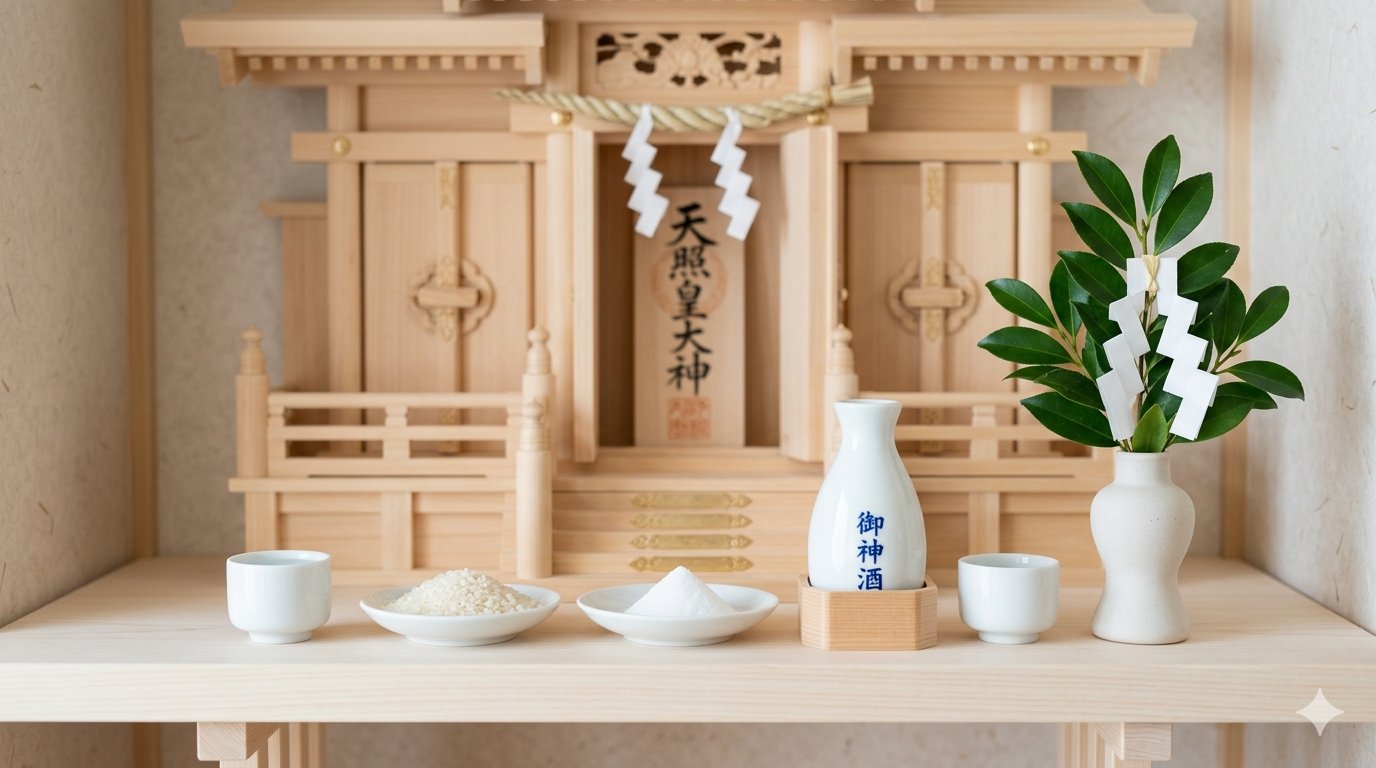
Fresh water changed every morning. Placed on the far left. Represents purification and life.
Uncooked rice in a small dish. Placed inner left. Japan's most sacred food offering.
A small mound of salt in the centre. Symbol of purification and preservation.
Sake or mirin in a small flask. Placed inner right. Offered as a gift to the gods.
Evergreen sakaki branches in vases on both sides. Changed on the 1st and 15th of each month.
Place the kamidana high on a wall — above eye level — in the main room. Face it south or east, toward the light. Never place it above a doorway, toilet, or where people walk beneath it.
Place your ofuda (御神札) inside the shrine box, facing outward. The Ise Grand Shrine amulet goes in the centre; your local shrine's amulet behind it. Replace it every year at New Year.
Hang a shimenawa (sacred straw rope) with white zigzag shide paper above the kamidana shelf. This marks the space as sacred and protects against impurity.
Each morning, replace the water offering with fresh water before doing anything else. This is the most essential daily practice.
Light a candle or small lamp before praying. This symbolises calling the divine presence and illuminating your prayer.
Bow twice, clap twice, offer a moment of gratitude or a silent prayer, then bow once more. Same as at a shrine.
On the 1st and 15th of each month, replace the sakaki branches and refresh all offerings. A deeper cleaning of the shelf is done at New Year.
Every shrine and temple in Japan offers unique sacred items — omamori charms, ema prayer plaques, omikuji fortunes, and special goshuin stamps that you can only receive at that specific sacred site. These are not mere souvenirs; they are blessings carried home from a living place of worship.
Omamori are fabric pouches containing sacred paper or wood inscribed with prayers, sealed and never to be opened. Each shrine and temple produces its own unique omamori for specific blessings — love, health, safe travel, academic success, business prosperity, or traffic safety. They are typically worn on a bag or kept in a wallet. Replace your omamori annually by returning the old one to the shrine or temple where it was purchased, to be ceremonially burned.
Ema are small wooden plaques on which visitors write their wishes and prayers, then hang at the shrine or temple for the gods to receive. The word ema means "picture horse" — historically, horses were donated to shrines as offerings, but wooden plaques replaced live horses over time. Each shrine designs its own unique ema, often featuring the shrine's deity, seasonal imagery, or the Chinese zodiac animal of the current year. Collecting ema from different shrines is a popular tradition.
Omikuji are paper fortune slips drawn randomly at shrines and temples. They predict your luck across categories including health, love, business, and travel — ranging from daikichi (great blessing) to daikyo (great curse). If you draw a bad fortune, tie it to a designated tree or rack at the shrine to leave the bad luck behind. Good fortunes can be kept and carried with you. Many shrines now offer English omikuji, and some feature beautifully illustrated seasonal designs.
Ofuda are flat wooden or paper tablets bearing the name of a deity or temple, inscribed and stamped by priests. Unlike omamori, ofuda are meant to be enshrined at home — placed in a kamidana (home shrine) or above a doorway to protect the household. Major shrines like Ise Jingu, Izumo Taisha, and Meiji Jingu issue highly revered ofuda that many Japanese families keep in their homes. They should be renewed annually, with old ofuda returned to the shrine for disposal.
Many shrines and temples produce unique hand-crafted ceramic bells (dorei), fox figurines, lucky cats, daruma dolls, and other ornamental lucky items specific to their deity or regional tradition. Fushimi Inari is famous for its ceramic fox figurines. Nara's Kasuga Taisha produces exquisite deer-shaped items. These make beautiful and meaningful gifts — each one unique to the sacred site where it was made, connecting the recipient to that specific place of worship.
Many shrines sell bottled sacred water drawn from the shrine's own spring or well, believed to carry the blessings of the resident deity. Sacred salt (kiyome-shio) for purification is another common offering — sprinkled at home to cleanse negative energy. Kiyomizudera's Otowa waterfall water is among Japan's most famous, with visitors queuing to drink from three streams said to grant longevity, love, and academic success. Zenkoji Temple in Nagano also offers highly prized sacred water from its ancient spring.
Fushimi Inari offers some of Japan's most distinctive omamori — white fox figurines you can personalise by drawing a face yourself (kiganshu), miniature torii gate ema, fox-shaped omamori pouches, and special night-time goshuin available only after dark. The shrine also sells small personal torii gates that visitors can dedicate and have installed on the mountain. A particularly sought-after item is the "Yako" fox charm said to grant wishes related to business and prosperity.
Senso-ji is renowned for Japan's most famous omikuji fortune slips — reportedly the most negative in Japan, with a high proportion of bad fortunes (kyou). The surrounding Nakamise shopping street offers traditional crafts, hair ornaments, fans, and lacquerware. The temple's main omamori include blessings for general good fortune, safe childbirth, and love. A distinctive Senso-ji specialty is the hagoita decorative paddle — beautifully crafted battledore boards sold especially around New Year.
Izumo Taisha is Japan's most powerful destination for enmusubi — the binding of fated relationships. The shrine's omamori for love and marriage are among the most coveted in Japan, and couples travel from across the country to receive blessings here. Unique to Izumo are the "enshuu" red and white twisted cord charms symbolising the tying of fate. The shrine also sells distinctive ofuda and a special pair omamori designed to be separated between two people seeking connection.
Dazaifu Tenmangu — dedicated to Sugawara no Michizane, the deity of learning and scholarship — is Japan's most famous destination for academic success prayers. Students across Japan send ema and purchase omamori here before university entrance exams. The shrine's "gokaku" (exam success) omamori are sent by worried parents to children studying far away. Unique offerings include plum blossom-shaped charms (Michizane's favourite flower), and the famous ume-ga-e mochi rice cakes sold at shops along the approach.
Meiji Jingu's offerings carry the prestige of Japan's most visited shrine. The main omamori feature the imperial chrysanthemum crest — a powerful symbol of blessing connecting the holder to Japan's imperial tradition. The shrine's large ema are particularly beautiful, featuring seasonal imagery of the inner garden's irises and chrysanthemums. Meiji Jingu also sells sake blessed at the shrine, and the famous display of sake barrels near the entrance represents donations from breweries across Japan.
Kiyomizudera's most famous "offering" is the experience of walking between the two Koi-uranai stones — love divination stones set 18 metres apart. Walking between them with eyes closed is said to bring success in love. The temple's omamori specialise in love, matchmaking, and relationships, making it a favourite with young visitors. The Otowa waterfall at the base of the main hall is where visitors drink sacred water. The temple also offers uniquely beautiful seasonal goshuin with coloured ink designs that change throughout the year.
Sacred items are "received" (ukeru) rather than "bought" — use the word itadakimasu when accepting them, and offer payment with both hands. The exchange is a sacred transaction between you and the deity. Never haggle or complain about prices. Most shrine and temple offices (shamusho) are open from approximately 9am to 5pm. Goshuin must be received in person — they cannot be mailed or collected on behalf of others.
Many of Japan's most beloved anime and manga series draw inspiration from real shrines and temples. Visiting these locations — known as seichi junrei (聖地巡礼) or "sacred land pilgrimage" — has become one of the most popular reasons international fans travel to Japan.
The opening scenes of the wildly popular Demon Slayer series are set in the atmospheric back streets of Asakusa, Tokyo — a district centred around Senso-ji Temple. Equally significant is Kamado-jinja shrine in Dazaifu, Fukuoka, whose name directly echoes the protagonist's family name. Both sites draw fans from across the world and have embraced their anime connections with dedicated merchandise and themed goshuin stamps.
Makoto Shinkai's stunning film "Your Name" drew heavily from the landscapes and spiritual atmosphere of the Suwa region in Nagano Prefecture. Suwa Taisha — Japan's oldest shrine — and the surrounding Lake Suwa scenery are unmistakable in the film's rural sequences. The town of Hida Furukawa in Gifu Prefecture served as the model for the fictional Itomori village, complete with its own hilltop shrine that fans flock to recreate iconic scenes.
Hayao Miyazaki's masterpiece "Spirited Away" draws from numerous real Japanese locations, most visibly the historic Dogo Onsen bathhouse in Matsuyama, Ehime — one of Japan's oldest hot spring bathhouses and a clear inspiration for the film's bathhouse setting. The Edo-Tokyo Open Air Architectural Museum in Koganei also provided visual reference material. While the film's world is entirely fictional, these locations offer a tangible connection to its atmosphere.
The long-running manga and anime series Inuyasha, set in feudal Japan and centred on a demon-slaying half-demon, draws its spiritual atmosphere from real Shinto shrines and their fox deity traditions. Fushimi Inari Taisha in Kyoto — dedicated to Inari, the fox deity — feels unmistakably like the world of Inuyasha. The Shinoda forest in Osaka, sacred to Inari fox spirits, is another significant location connected to the series' spiritual themes.
The anime series Noragami follows a minor deity seeking recognition and worshippers, set against the backdrop of real Tokyo shrines. Kanda Myojin shrine in Akihabara and Yushima Tenmangu in Bunkyo are prominently featured and easily recognisable. Both shrines have embraced their pop culture connections — Kanda Myojin in particular is famous among anime fans and has collaborated with various series over the years, offering special themed goshuin and ema votive plaques.
The beloved manga and anime series Fruits Basket centres on a family cursed by the spirits of the Chinese zodiac, deeply rooted in Japanese spiritual traditions. The ornate shrine architecture of Nikko Tosho-gu — with its elaborate carvings of the twelve zodiac animals — resonates strongly with the series' themes. Many fans visit Nikko specifically to see the zodiac animal carvings and connect with the spiritual world depicted in the series.
These are real, active places of worship. Always follow standard shrine and temple etiquette — dress respectfully, speak quietly, and never disrupt religious ceremonies or other visitors for the sake of recreating a scene. Many shrines welcome anime fans warmly; repay that welcome with respectful behaviour.
Japan is served by three major international airports: Tokyo Narita (NRT), Tokyo Haneda (HND), and Osaka Kansai (KIX). Direct flights operate from most major cities — London Heathrow to Tokyo is approximately 12 hours, Los Angeles to Tokyo around 11 hours. Budget airlines including ANA, JAL, and Zipair offer competitive fares. Book at least 3 months ahead for cherry blossom and autumn foliage seasons.
Citizens of over 60 countries — including the US, UK, Australia, Canada, and most of Europe — can enter Japan visa-free for up to 90 days for tourism. You will need a valid passport, a return ticket, and proof of sufficient funds. From 2024, Japan has introduced a tourist tax of ¥1,000 per person per departure. Register your arrival via the Visit Japan Web system before flying for faster immigration clearance.
Spring (late March–May) and autumn (October–November) are the most popular seasons — cherry blossoms and crimson maple leaves frame Japan's shrines at their most photogenic. Summer (June–August) brings lush greenery and vivid festivals but high humidity. Winter is the least crowded season — Koyasan in snow and Nikko under frost are unforgettably serene. Avoid Golden Week (late April–early May) and Obon (mid-August) when domestic travel peaks.
The Japan Rail Pass (JR Pass) offers unlimited shinkansen and express train travel — the 7-day pass costs approximately ¥50,000 and pays for itself in two bullet train journeys. Purchase before arriving in Japan. For local travel, load a Suica or Pasmo IC card (available at airport vending machines) with ¥3,000–5,000. Taxis are expensive — use trains and buses instead. IC cards also work at convenience stores, restaurants, and vending machines nationwide.
Japan is more affordable than many travellers expect. Budget travellers staying in hostels and eating at convenience stores and ramen shops can manage on ¥5,000–8,000/day (approx. £25–40). Mid-range travellers in business hotels with restaurant meals should budget ¥15,000–25,000/day. Temple admissions typically cost ¥500–1,000. Most shrines are free to enter. Goshuin stamps cost ¥300–500 each. A week touring shrines and temples with the JR Pass costs approximately ¥100,000–150,000 all-in excluding flights.
A pocket WiFi router or eSIM is essential for navigating Japan. Pocket WiFi devices rent for approximately ¥300–600/day from airport counters or online (collect on arrival). eSIMs from IIJmio or Mobal offer 15-day unlimited data plans from around ¥2,000. Download Google Maps offline for each region before you travel — mobile coverage in mountain shrines like Koyasan and Yamadera can be patchy. Google Translate's camera mode is invaluable for reading shrine signs and menus.
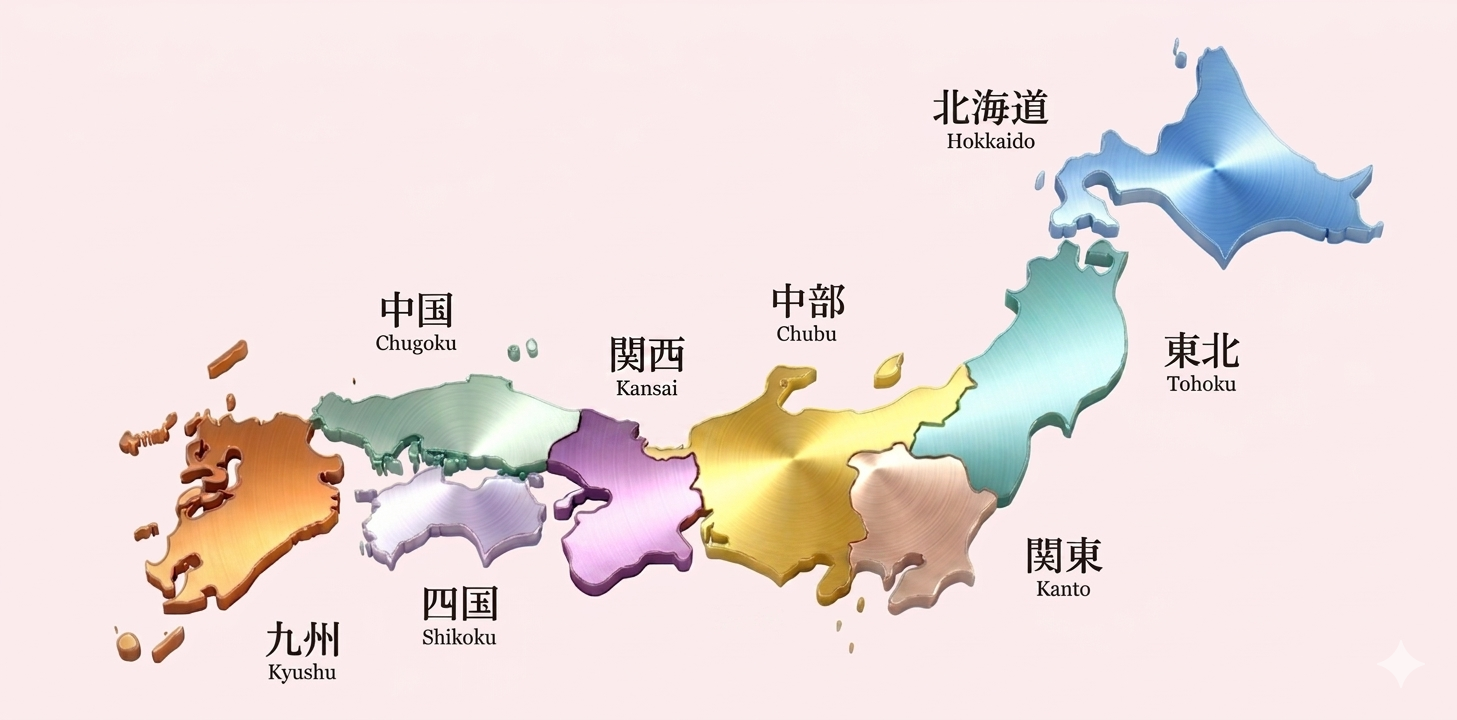
Day 1: Tokyo — Meiji Jingu in the morning, Senso-ji Asakusa in the afternoon. Day 2: Nikko — Tosho-gu and cedar forests (day trip from Tokyo). Day 3: Shinkansen to Kyoto — Fushimi Inari at sunset. Day 4: Kyoto — Kinkaku-ji, Kiyomizudera, goshuin collecting. Day 5: Nara day trip — Todai-ji Great Buddha, Kasuga Taisha lanterns, sacred deer. Return to Tokyo or fly home from Osaka Kansai airport.
Book a Tour → Search on Expedia → Search on Agoda →Days 1–3: Kyoto — Fushimi Inari, Kinkaku-ji, Kiyomizudera, Byodo-in (Uji), Sumiyoshi Taisha, extensive goshuin collecting. Day 4: Nara — Todai-ji, Kasuga Taisha, Horyu-ji. Day 5: Koyasan — mountain monastery overnight temple stay (shukubo). Day 6: Koyasan Okunoin cemetery at dawn, descend via cable car, afternoon at Osaka Sumiyoshi Taisha. Day 7: Osaka exploration before flying home.
Book a Tour → Search on Expedia → Search on Agoda →Days 1–2: Tokyo — Meiji Jingu, Senso-ji, Tsurugaoka Hachimangu (Kamakura). Day 3: Nikko. Days 4–5: Tohoku — Yamadera cliff temple, Chusonji Konjikido golden hall in Hiraizumi. Day 6: Suwa Taisha at Lake Suwa (Nagano). Day 7: Zenkoji Temple (Nagano). Days 8–9: Kyoto — Fushimi Inari, Kinkaku-ji, Kiyomizudera. Day 10: Nara fly-out. A journey through Japan's lesser-known but most atmospheric sacred landscapes.
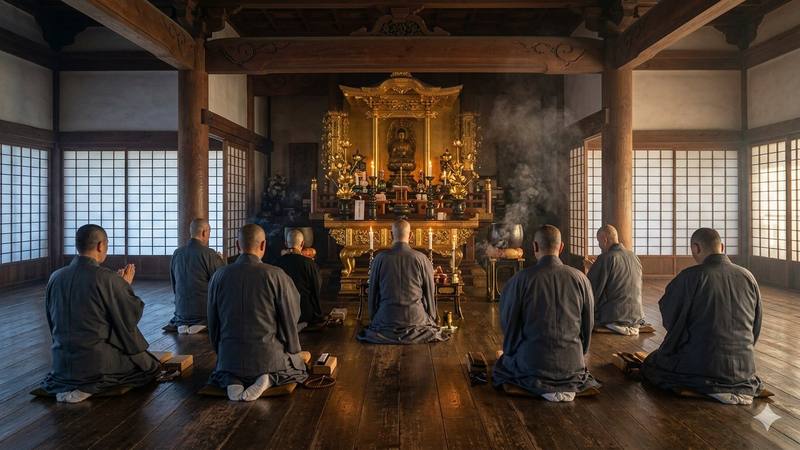
Book a Tour → Search on Expedia → Search on Agoda →Shukubo (宿坊) — temple lodgings — offer one of the most immersive and memorable experiences in all of Japan. Wake before dawn for morning prayers, eat exquisite vegetarian cuisine prepared by monks, and fall asleep to the sound of temple bells. These are not rough pilgrim hostels; many are elegant, centuries-old inns with tatami rooms, garden views, and exceptional service.
Koyasan is Japan's most celebrated destination for temple stays. Over 50 of the mountain's monasteries open their doors to overnight guests, offering tatami rooms, private or shared baths, exquisite shojin-ryori vegan dinners, and the opportunity to attend early morning Buddhist ceremonies. Waking at dawn to join the monks in prayer before the golden Okunoin lanterns is a life-changing experience. Accommodation typically costs ¥13,000–25,000 per person including dinner and breakfast.
Search on Expedia → Search on Agoda → Book a Tour →Nikko's shrine complex is best experienced over two days — arriving the night before to explore the cedar avenues at dusk, and departing after the morning light hits the gold lacquerwork. Traditional ryokan inns in the Nikko area offer kaiseki multi-course dinners using local mountain vegetables and Nikko's famous yuba (tofu skin). Staying near the Daiya River provides the added bonus of hearing the water rushing past as you drift to sleep in your futon.
Search on Expedia → Search on Agoda → Book a Tour →Kyoto offers an unmatched range of accommodation for shrine and temple visitors — from converted machiya townhouses in Gion to grand ryokan in Higashiyama. Staying in Higashiyama puts Kiyomizudera, Fushimi Inari, and Kinkaku-ji all within easy reach. Several temples in Kyoto also offer shukubo experiences — notably Daitoku-ji and Myoshin-ji temple complexes, where you can stay within the actual monastery walls and participate in Zen sitting meditation (zazen) sessions.
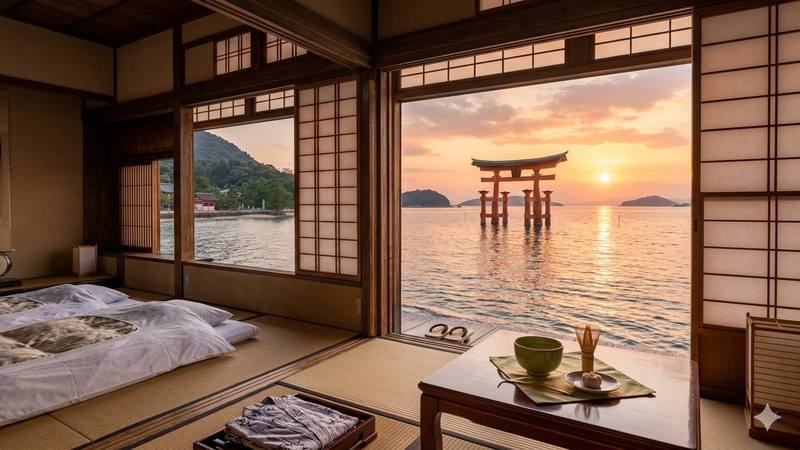
Search on Expedia → Search on Agoda → Book a Tour →Miyajima is Japan's best overnight destination for shrine visitors. The vast majority of tourists visit as a day trip — meaning that if you stay overnight, you will have the floating torii gate of Itsukushima Shrine almost entirely to yourself at dawn and dusk, in the most extraordinary light. The island has a handful of ryokan serving exceptional Hiroshima-area seafood including anago (sea eel) and fresh oysters. Deer wander the inn gardens at night. One of the most magical overnight experiences in all of Japan.
Search on Expedia → Search on Agoda → Book a Tour →Most visitors see Nara as a day trip from Kyoto or Osaka — a mistake. Staying overnight in Nara allows you to walk through Nara Park in the early morning before any tourists arrive, with hundreds of deer moving silently through the mist past Kasuga Taisha's stone lanterns. The Naramachi district has excellent small guesthouses and ryokan. Nara is also within easy day-trip distance of Yoshino — Japan's most famous mountain cherry blossom destination and a UNESCO World Heritage Site.
Search on Expedia → Search on Agoda → Book a Tour →Zenkoji Temple in Nagano draws over six million visitors a year, yet few stay overnight. The temple itself offers shukubo lodgings inside the actual temple precincts — waking at 5:30am to join the morning ceremony (oasaji) and receive the head priest's blessing is deeply moving. The surrounding city has excellent soba noodle restaurants (Nagano-style soba is among Japan's finest), and nearby Obuse town offers chestnut sweets and the Hokusai Museum. Suwa Taisha is also easily reachable for a two-shrine day.
Search on Expedia → Search on Agoda → Book a Tour →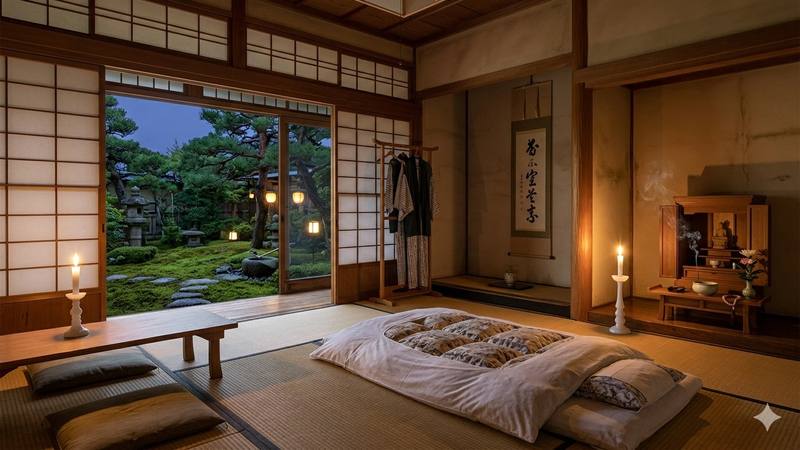
Sacred Japan participates in the Booking.com affiliate program. Bookings made through these links may earn us a small commission at no extra cost to you.
Every major shrine and temple in Japan has its own local food culture — from Kyoto's delicate tofu cuisine to Nara's mochi sweets sold to hungry deer-watchers. Eating well is part of the pilgrimage experience.
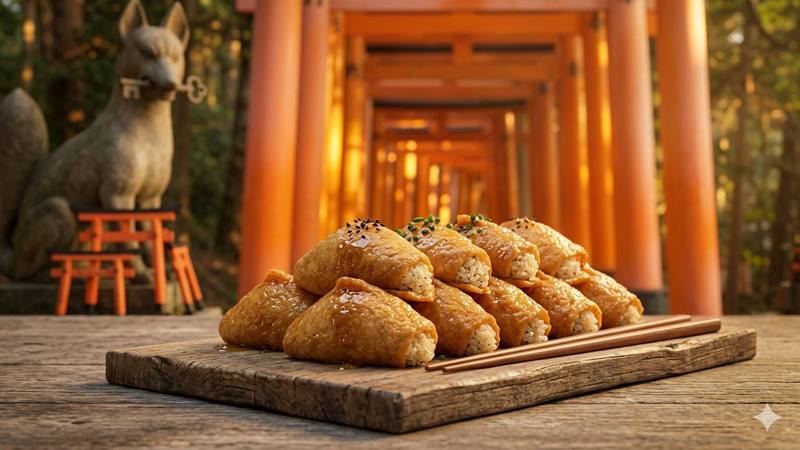
The approach to Fushimi Inari is lined with shops selling inari-zushi — rice stuffed in sweet fried tofu pouches, shaped like the ears of the fox deity Inari. These fox-shaped sweets are deeply rooted in shrine tradition. After your hike through the torii gates, refresh with Kyoto-style tofu cuisine (yudofu or tofu kaiseki) in the restaurants along Inari-honmachi street. Local speciality: Suzume-yaki (grilled sparrows on skewers) — a centuries-old local delicacy.
Find on Google Maps →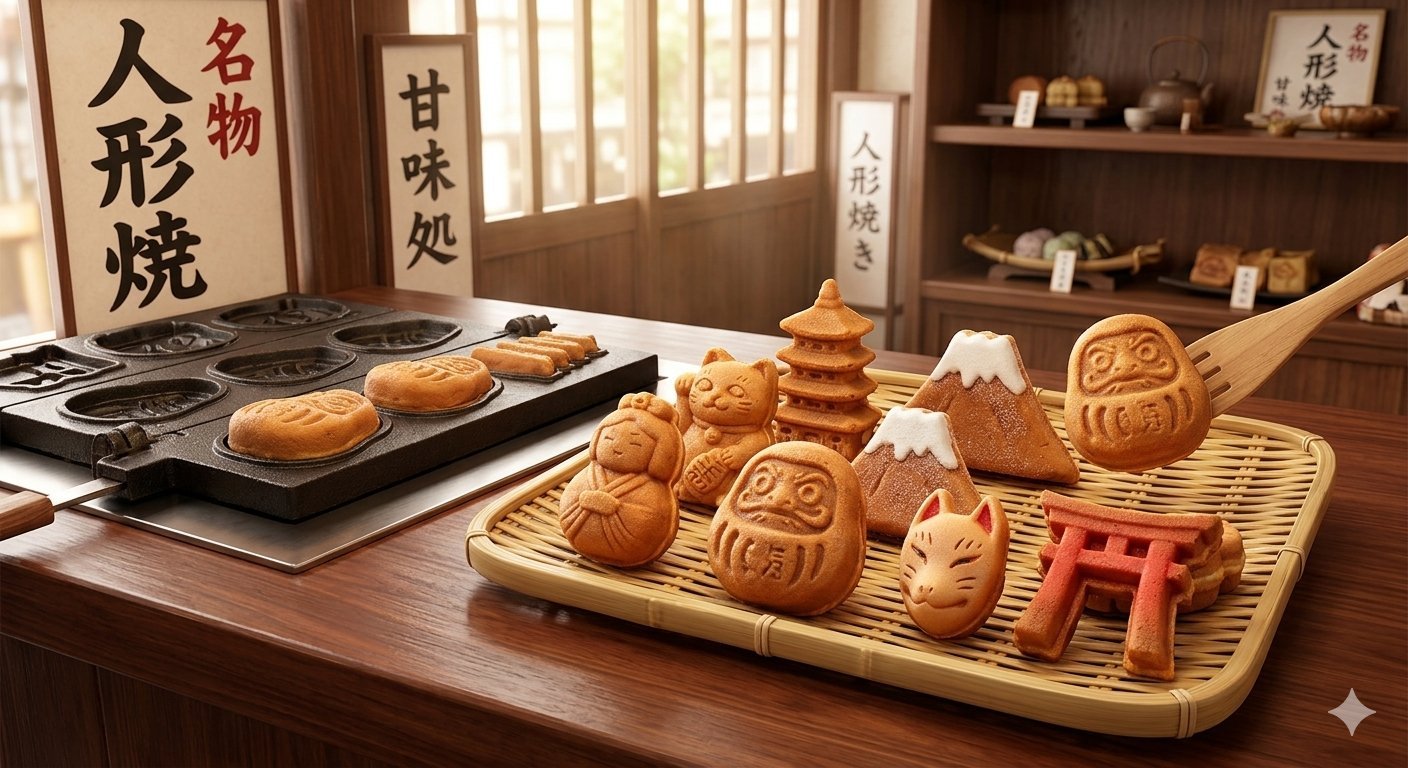
Nakamise-dori, the 250-metre shopping street leading to Senso-ji's Thunder Gate, is Tokyo's most famous snack street. Look for ningyo-yaki (little cakes shaped like temple symbols, filled with sweet bean paste), crispy freshly-baked melonpan (sweet bread), and fragrant ningyo-yaki made fresh before your eyes. The surrounding Asakusa district is also known for excellent tempura restaurants — particularly along Kaminarimon-dori — and traditional Japanese sweets at century-old wagashi shops.
Find on Google Maps →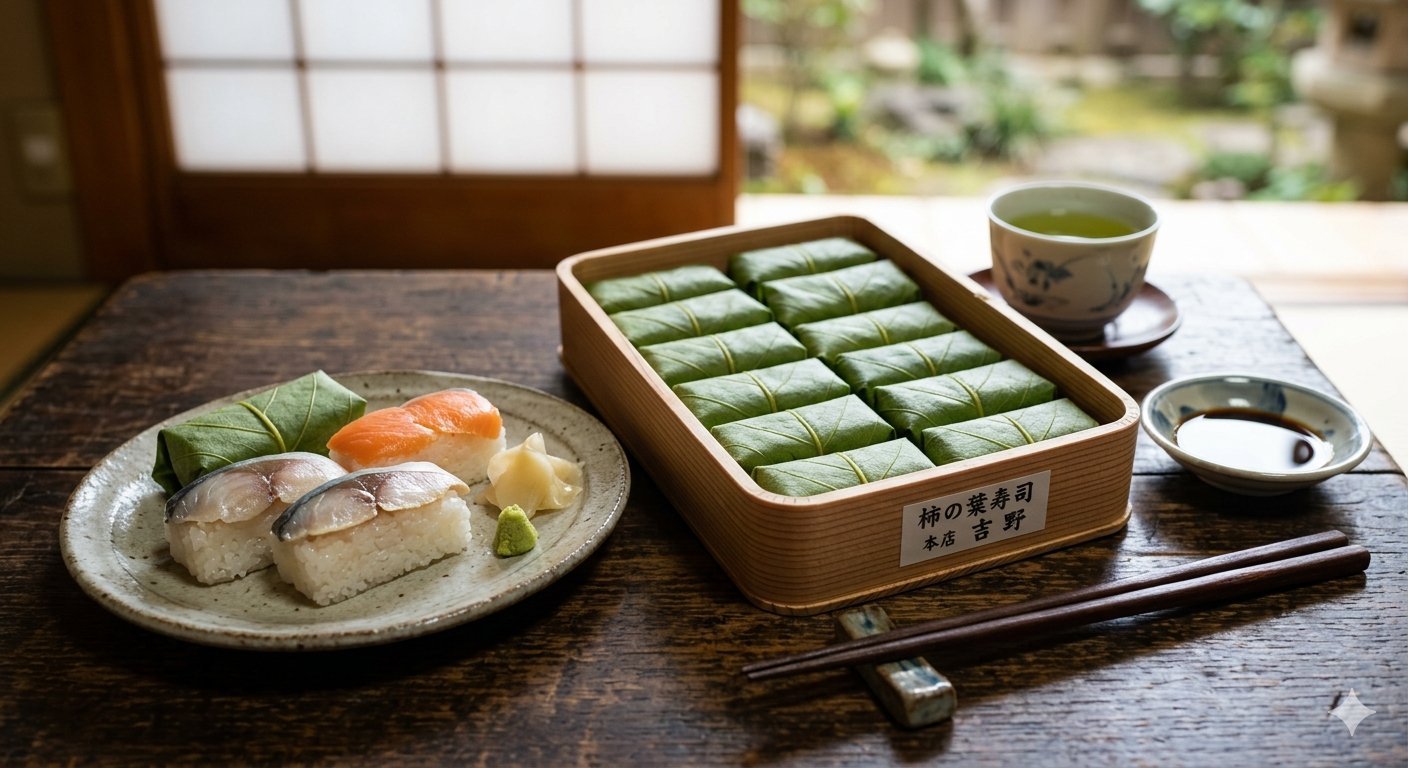
Nara's signature dish is kakinoha-zushi — sushi wrapped in fragrant persimmon leaves, a centuries-old preservation technique. Equally beloved are kusa-mochi (green rice cakes made with mugwort) and Nara-zuke (pickled vegetables in sake lees). Naramachi, the preserved merchant quarter south of Kofuku-ji temple, is packed with excellent traditional restaurants and tea houses. For a treat, seek out miwa somen — thin handmade noodles produced in the Miwa area since ancient times, served cold with dipping sauce.
Find on Google Maps →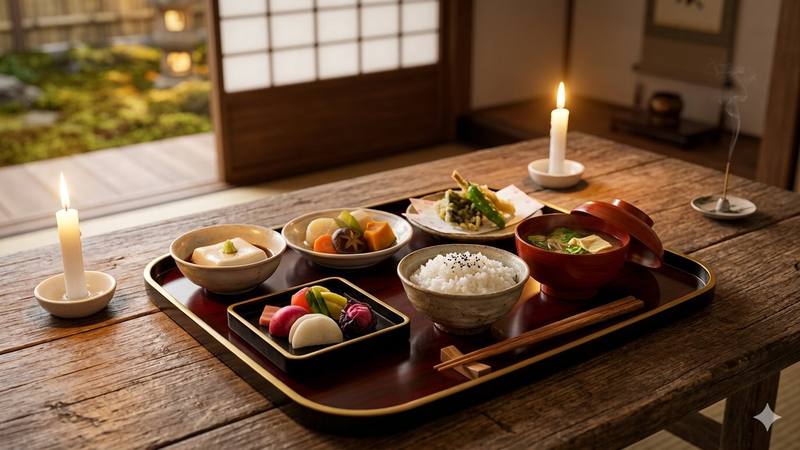
Koyasan's temple cuisine — shojin-ryori — is one of Japan's great culinary traditions. Entirely vegan and plant-based, it was developed by Buddhist monks over centuries as a meditative practice of gratitude. Expect elaborate multi-course meals featuring seasonal mountain vegetables, handmade tofu, sesame dishes, pickles, and fragrant miso soup. Most temple lodgings (shukubo) serve shojin-ryori as part of the overnight experience. Koya-dofu (freeze-dried tofu) is the area's most famous product — a centuries-old Koyasan speciality available at shops throughout the village.
Find on Google Maps →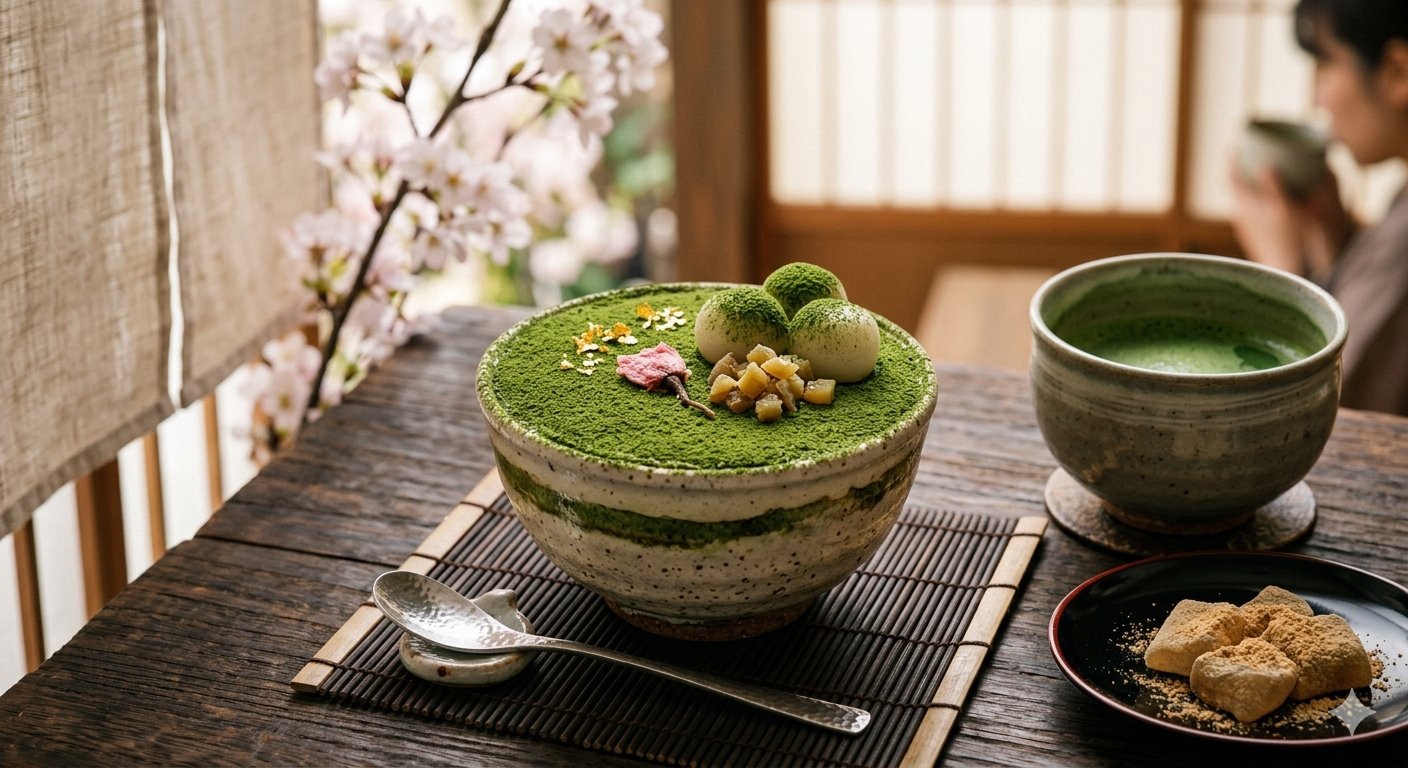
Uji, the small city where Byodo-in Phoenix Hall sits, is Japan's most famous tea-producing region — the birthplace of matcha culture. Every shop along the approach to Byodo-in sells matcha in every conceivable form: soft serve ice cream, parfaits, soba noodles, Kit Kats, mochi, and traditional tea ceremony sets. Sitting in a century-old tea house overlooking the Uji River with a bowl of whisked matcha is one of the most quintessentially Japanese experiences available anywhere in the country.
Find on Google Maps →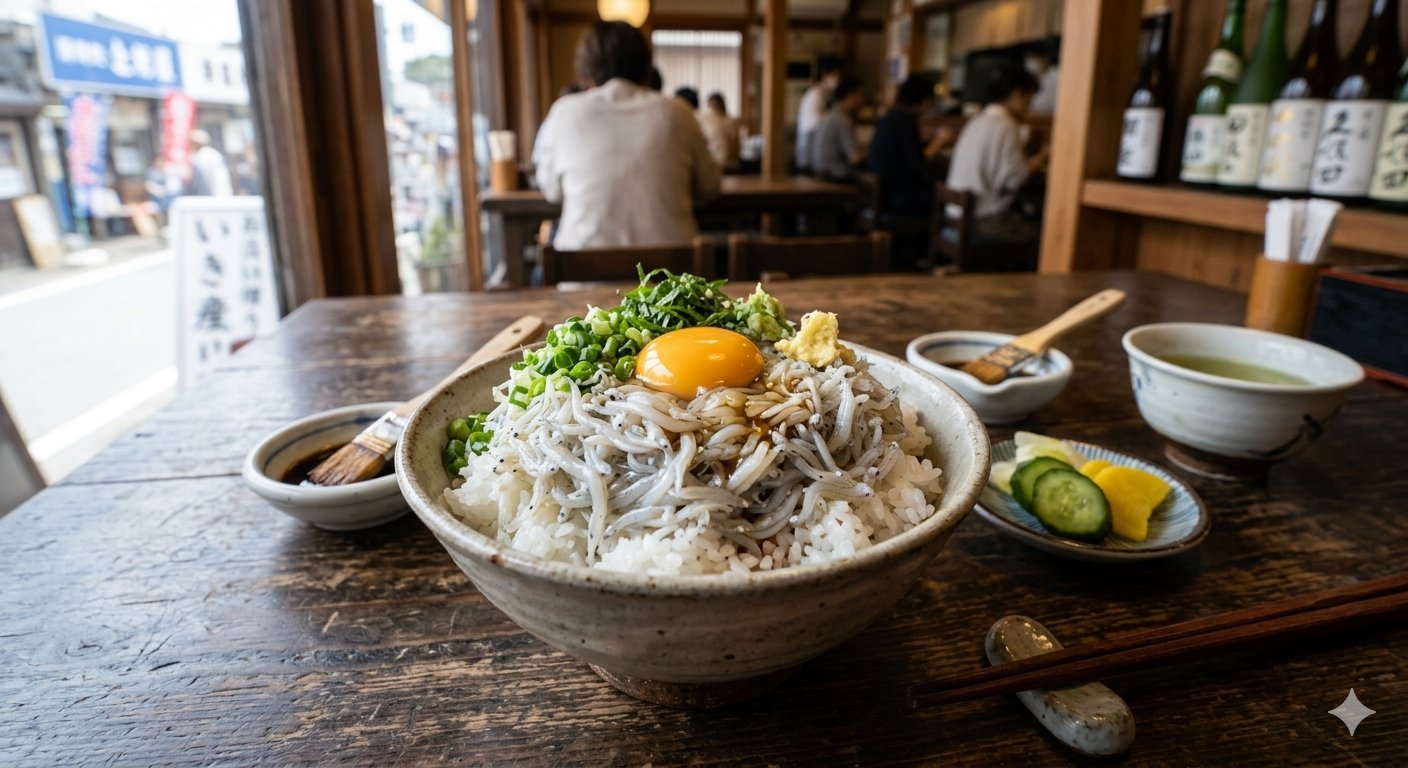
Kamakura's local speciality is shirasu — tiny whitebait fish served raw, as a rice bowl topping, or on pizza (surprisingly excellent). The city's many Zen temples have inspired a tradition of elegant wagashi sweets and simple vegetarian cuisine. Komachi-dori shopping street between Kamakura Station and Tsurugaoka Hachimangu is lined with cafes, sweets shops, and restaurants. Try kakigori (shaved ice) in summer at one of Kamakura's famous cafes, or warm amazake (sweet fermented rice drink) in winter near the shrine entrance.
Find on Google Maps →Japan is one of the world's safest countries for travellers, but knowing what to do in an emergency gives you confidence to explore freely. Save these numbers before you travel.
🚨 Police: 110
For theft, assault, accidents, or any crime. English available.
🚒 Fire & Ambulance: 119
For medical emergencies and fires. Say "Kyukyusha" (救急車) for ambulance.
📞 Japan Visitor Hotline: 050-3816-2787
24-hour multilingual tourist support. English, Chinese, Korean, Spanish.
🏥 AMDA International: 03-6233-9266
Medical consultation in multiple languages on weekdays.
Japan experiences frequent minor earthquakes. During a strong earthquake: drop to the floor, take cover under a sturdy table, and hold on. Do not run outside. After shaking stops, check for gas leaks and move away from buildings. If near the coast, move immediately to high ground — do not wait for an official tsunami warning. Download the NHK World app and Safety Tips app (free) for real-time earthquake and disaster alerts in English before you arrive.
Major hospitals in tourist areas have English-speaking staff or interpretation services. Show your symptoms using a translation app if needed. Travel insurance is strongly recommended — carry your insurance card and policy number. University hospitals in Tokyo (Tokyo University Hospital, St Luke's International Hospital) and Kyoto (Kyoto University Hospital) have dedicated international patient centres. For non-emergency medical advice, the AMDA International Medical Information Centre (03-6233-9266) provides guidance in English on weekdays.
Japan has an exceptional lost property system — if you lose something on a train or in public, go to the nearest police box (koban, 交番) or station office within the same day. Items are nearly always recovered. For lost passports, contact your nearest embassy immediately. If you get lost in a rural shrine or mountain area, dial 110 (police) or 119 (fire) — rescuers are experienced with mountain trails. The nearest koban can also call for a taxi or help you contact your accommodation.
Typhoon season runs from June to October — monitor the Japan Meteorological Agency website (jma.go.jp) for warnings. Most shrine and temple sites close during typhoon warnings. Summer heat and humidity can cause heatstroke — carry water, wear a hat, and rest frequently. Mountain shrines like Koyasan (900m) and Yamadera can be dramatically colder than valley temperatures — bring layers. In summer, high-altitude shrine trails should be attempted only in the morning before afternoon thunderstorms develop.
Safety Tips — Official Japan Tourism Agency app. Real-time disaster alerts, emergency info in 14 languages. Download before arriving.
NHK World — English news and emergency broadcasts from Japan's public broadcaster.
Google Maps (offline) — Download offline maps for each region before visiting mountain shrine areas.
Google Translate (offline Japanese) — Essential for reading signs in rural shrines and communicating with medical staff.
Experience the thousand torii gates of Fushimi Inari after dark, when crowds fade and lanterns cast a golden glow through the sacred forest. Guided tours include shrine etiquette, history, and hidden viewpoints unknown to most visitors.
Book in Kyoto →Walk among Japan's sacred deer to Todai-ji's Great Buddha and Kasuga Taisha's lantern-lined pathways. Expert guides bring the myths and history of Japan's ancient capital to life in a full-day Nara experience.
Book in Nara →Spend a night at a shukubo temple lodging on sacred Mount Koya. Wake before dawn for morning prayers with Buddhist monks, enjoy shojin-ryori vegetarian cuisine, and walk the mystical Okunoin cemetery at night.
Book Koyasan →Join a guided goshuin-collecting tour of Kyoto's most beautiful shrines and temples. Your guide will explain the significance of each seal, help you communicate with priests, and ensure you collect the most beautiful and unique goshuin.
Book in Kyoto →Time your visit to experience Japan's sacred sites at their most breathtaking — framed by clouds of pink cherry blossoms. Guided spring tours visit the best hanami spots at Meiji Jingu, Tsurugaoka Hachimangu, and Kyoto's hidden shrines.
Book in Tokyo →Take a guided day trip from Tokyo to the spectacular mountain shrines of Nikko — Tosho-gu, Futarasan, and Rinnoji. Expert guides decode the symbolism of the elaborate carvings and lacquerwork that make Nikko Japan's most ornate sacred site.
Book Nikko →Sacred Japan participates in the Viator affiliate program. Booking through these links supports the site at no extra cost to you. Tour availability and prices vary by season.
The essential companion for any shrine or temple visit. An accordion-fold book in thick washi paper where priests hand-brush unique calligraphy seals recording each sacred site you visit.
View on Amazon → 楽天で見る →Protect your precious stamp book with a traditional cloth cover or zippered case. Available in silk, brocade, and washi fabric — many featuring shrine motifs, seasonal flowers, or classic Japanese patterns.
View on Amazon → 楽天で見る →A complete home shrine set in natural hinoki cypress — shrine box, offering stands, sakaki vases, and candle holders. Everything you need to begin a daily kamidana practice at home.
View on Amazon → 楽天で見る →A traditional Japanese tote bag (kinchaku or furoshiki style) — perfect for carrying your goshuin-cho, omamori charms, and shrine visit essentials. A beautiful and practical companion for any pilgrimage.
View on Amazon → 楽天で見る →In-depth English guidebooks covering Japan's most sacred sites — history, architecture, legends, and practical visitor information. The ideal reading companion before and during your spiritual journey through Japan.
View on Amazon → 楽天で見る →White candles, sake cups, water vessels, and salt dishes for daily kamidana offerings. Authentic ritual items to honour the kami each morning — a centuries-old Japanese home tradition.
View on Amazon → 楽天で見る →Beautiful art prints and postcards featuring Japan's most iconic shrines and temples — Fushimi Inari, Itsukushima, Kinkaku-ji. Frame them as wall art or send as unforgettable keepsakes from Japan.
View on Amazon → 楽天で見る →Authentic Japanese omamori protective charms and juzu prayer beads. Carry the blessing of Japan's sacred sites in your daily life — popular souvenirs and meaningful spiritual keepsakes.
View on Amazon → 楽天で見る →Premium ceremonial matcha powder and traditional tea sets — the perfect way to continue the spirit of your shrine visit at home. Many temples in Japan serve tea after prayer; recreate that peaceful ritual yourself.
View on Amazon → 楽天で見る →当サイトはAmazonアソシエイト・プログラムの参加者です。上記リンクからご購入いただいた場合、当サイトは紹介料を受け取ることがあります(お客様のご負担は一切ありません)。
Sacred Japan participates in the Amazon Associates Program, the Booking.com Affiliate Partner Program, and the Rakuten Affiliate Program. 当サイトは楽天アフィリエイトプログラムに参加しています。 Purchases made through these links may earn us a small referral fee at no extra cost to you.
A goshuin-cho is a small folding accordion book in which monks and priests hand-brush the red stamp and ink calligraphy of every shrine and temple you visit — a uniquely personal record of pilgrimage, and one of Japan's most beautiful souvenirs. Our long-form guide walks through the etiquette, the kanji to recognise, the four-step process for receiving one, and the troubleshooting tips a first-time collector needs.
Read the full Goshuin Guide →Sacred Japan is run by a Japanese national certified by the government as a Licensed National Tour Guide (English), specializing in art and culture. The site exists for travelers who want to experience Japan's shrines and temples with the depth and context a guidebook can't carry.
Read the full About page →Deepen your knowledge of Japanese shrines and temples with these recommended resources.
A wonderful Japanese YouTube channel dedicated to shrine culture,神社の魅力, and the spiritual traditions of Japan. Beautiful visuals and deep knowledge of Shinto.
Visit Channel →An engaging YouTube channel exploring Japanese shrines, temples, and sacred traditions — with content accessible to international audiences. A great companion for planning your own Japan pilgrimage.
Visit Channel →